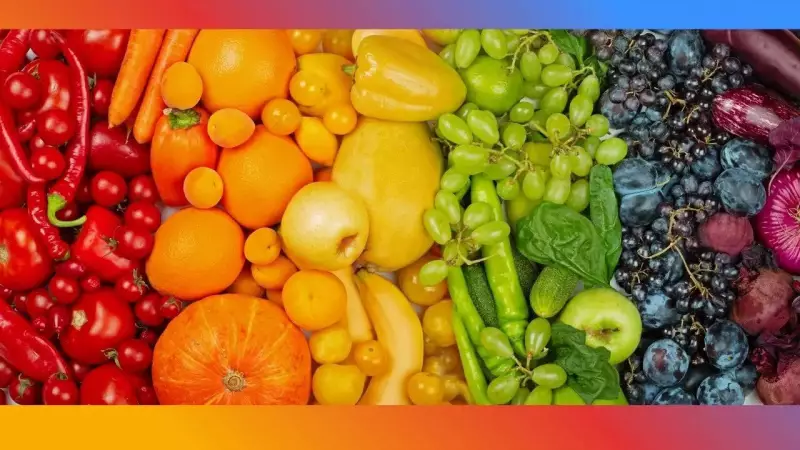
The vibrant colours of fruits and vegetables on your plate are more than just a visual treat. They are powerful indicators of intricate biological functions that directly influence your health. Moving beyond restrictive diets, nutritional science now champions the 'Rainbow Diet,' a simple yet effective approach that links the colour spectrum on your plate to concrete, science-backed health benefits.
The Science of Eating the Rainbow
In nutritional terms, the Rainbow Diet means consciously consuming a wide variety of colourful fruits and vegetables. Each hue represents a unique biochemical composition, rich in specific bioactive compounds like carotenoids, flavonoids, and polyphenols. These substances interact with crucial biological pathways in our bodies, primarily affecting oxidation and inflammation.
A significant umbrella review published in the journal 'Molecules' reinforced this concept. It found that the greatest health benefits come from combined exposure to these diverse plant compounds, rather than from isolated nutrients. This makes a colourful plate a practical marker for achieving biochemical diversity, which is key to robust health.

A Colour-Coded Guide to Nutrients and Benefits
Red Foods: For a Healthy Heart
Tomatoes, red peppers, strawberries, and watermelon get their colour from antioxidants like lycopene and anthocyanins. These compounds are champions for cardiovascular health. They help protect cells from damage, regulate cholesterol levels, and maintain the health of blood vessel linings, reducing oxidative stress.
Orange & Yellow Foods: Immunity and Digestion
Carrots, sweet potatoes, pumpkin, and oranges are loaded with beta-carotene, which the body converts to Vitamin A. This is vital for a strong immune system, healthy vision, and skin. Yellow foods like bananas, lemons, and corn provide flavonoids and Vitamin C, which aid digestive enzyme function, support collagen production, and help manage inflammation.
Green Foods: Detox and Repair
Spinach, kale, broccoli, and green beans are powerhouses of chlorophyll, folate, and magnesium. They play a critical role in regulating blood sugar, aiding liver detoxification processes, stimulating DNA synthesis, and facilitating cell repair.
Blue & Purple Foods: Brain and Vessel Health
Blueberries, black grapes, eggplant, and purple cabbage are exceptionally rich in anthocyanins and resveratrol. These compounds are strongly linked to enhanced memory and cognitive function. They promote healthy blood circulation, improve blood vessel elasticity, help regulate inflammation, and offer protection against cardiovascular diseases.
White & Brown Foods: Gut and Immune Boost
Foods like garlic, onions, cauliflower, and mushrooms may not be brightly coloured, but they are essential. They contain sulphur compounds and fibre that boost immune mechanisms, stimulate beneficial gut bacteria, and contribute to anti-inflammatory responses in the body.
Long-Term Impact and Easy Implementation
Consistently following a rainbow diet means these plant compounds continuously support your metabolism, immune system, and central nervous system. The long-term effects are profound: a reduced risk of chronic diseases like heart disease, type 2 diabetes, and certain cancers; enhanced gut health through greater microbial diversity; and healthier ageing with better cognitive function and cell repair.
Implementing this diet in your Indian routine is refreshingly simple. The goal is colour variety across your weekly meals, not perfection in every single day. Opt for seasonal, locally available produce for maximum nutrient value. Create colourful salads, stir-fries, or soups. By mindfully adding a spectrum of colours to your thali, you harness nature's own pharmacy for lasting wellness.