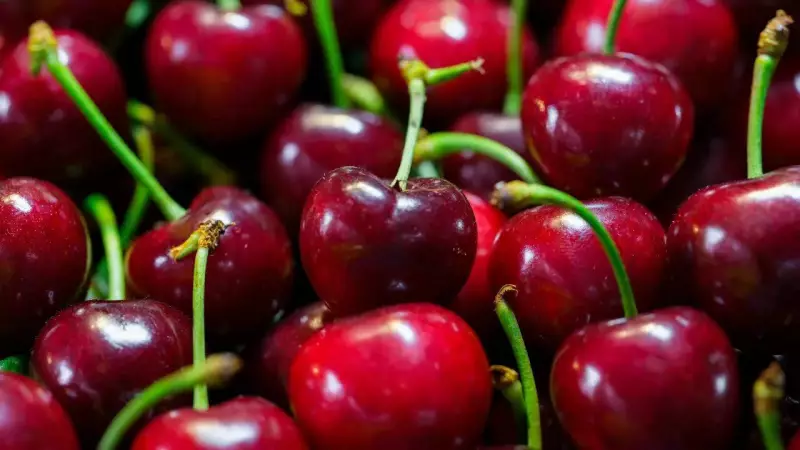
The vibrant red hue of cherries, strawberries, and pomegranates is more than just a visual treat; it's a powerful indicator of their unique brain-boosting chemistry. Moving beyond mere appearance, scientific research is increasingly focusing on how these everyday red foods, rich in plant pigments called anthocyanins, can positively influence memory, mental focus, and long-term cognitive health.
The Science Behind Red Foods and Your Brain
Recent studies, including one published in the International Journal of Molecular Sciences, highlight that the benefits of red fruits extend far beyond their isolated nutrients. They are now researched as whole foods containing a complex mixture of pigments, fibre, minerals, and other flavonoids. Brain tissue is highly sensitive to changes in blood flow, inflammation, and oxidative stress, all of which are modulated by compounds derived from our diet.
The primary actors are anthocyanins, a group of reactive flavonoids measurable in the bloodstream after digestion. These compounds interact directly with our biological systems in several key ways:

- They participate in antioxidant activity within neural tissue, protecting cells from damage.
- They influence signalling pathways crucial for memory formation.
- They help improve vascular tone and cerebral blood flow, ensuring optimal oxygen delivery to brain cells.
- They are linked to reduced inflammatory activity and cellular protection mechanisms.
- Some studies also note positive effects on related measures like fatigue and mood.
Top Red Food Sources for Cognitive Support
Here are some commonly consumed red fruits in India, each offering a unique profile of brain-supportive compounds.
1. Cherries
Cherries pack anthocyanins in both their skin and flesh. Research connects them to improved inflammatory markers and oxidative balance. Their mineral content, including magnesium, supports nerve transmission and neurotransmitter release. They also contain quercetin and catechins, compounds actively studied for cognitive performance and circadian rhythm regulation.
2. Raspberries
Beyond anthocyanins, raspberries provide carotenoids like lutein and zeaxanthin, which are found in neural and retinal tissue. Their fibre content aids in energy and glucose regulation, which is vital for steady brain activity. They are also a source of vitamin E for cellular membrane stability.
3. Strawberries
Strawberries are notably high in a specific anthocyanin called pelargonidin, frequently referenced in cognitive research. They supply quercetin, vitamin C for neurotransmitter production, and magnesium for nerve impulse conduction, supporting a range of brain biochemical processes.
4. Pomegranates
Structurally different from berries, pomegranates (both juice and seeds) are dense in anthocyanins and polyphenols. Their compounds, including kaempferol and quercetin, have been studied for improving cerebral circulation and addressing markers of brain ageing, linking directly to sustained brain activity.
5. Red Apples
A staple in long-term dietary studies, red apples contain anthocyanins concentrated in their skin, with additional flavonoids like quercetin and kaempferol throughout the flesh. Their fibre helps maintain glucose stability, supporting metabolic conditions essential for consistent brain function.
6. Cranberries
Known for their sharp taste and high polyphenol content, cranberries have a distinct anthocyanin profile. They are a rich source of compounds like myricetin and quercetin, studied for strong antioxidant capacity and supporting vascular integrity, which is crucial for brain health.
How to Easily Include Red Foods in Your Daily Indian Diet
Incorporating these brain-healthy foods is simple and can be part of your regular meals. To retain their beneficial pigments and compounds, opt for fresh or minimally processed forms.

- Add fresh berries like strawberries or raspberries to morning dahi, porridge, or cereal.
- Enjoy a handful of cherries as a snack or toss them into salads.
- Sprinkle pomegranate seeds (anaar dana) over poha, upma, or salads.
- Eat red apples with their skin intact.
- Use tart cranberries in savoury chutneys or dishes instead of overly sweetened products.
Disclaimer: This article is for general informational purposes only and does not constitute professional medical, nutritional, or clinical advice. Individual responses to foods may vary based on health status and overall diet.