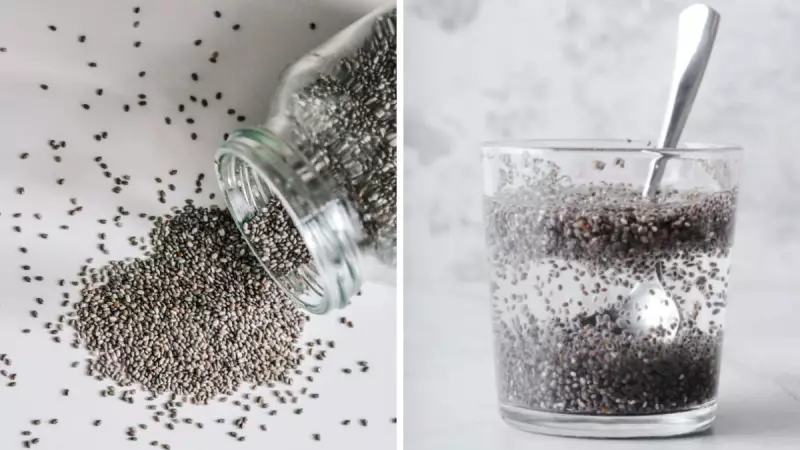
For health-conscious Indians, chia seeds have become a pantry staple, celebrated as a superfood packed with fibre, protein, and omega-3 fatty acids. However, a common dilemma persists at breakfast tables and in kitchens across the country: should you consume these tiny seeds dry or soaked in water? The answer, according to experts, is not just a matter of preference but can significantly impact your digestion and how well your body absorbs the nutrients.
The Soaking Method: Why It's the Recommended Choice
Dietitians and nutrition experts strongly advocate for consuming chia seeds after soaking them. The primary reason lies in their exceptional water-absorbing capacity. When chia seeds come into contact with liquid, they form a gel-like coating around each seed. This gel is rich in soluble fibre, which is crucial for digestive health.
Consuming soaked chia seeds helps prevent potential digestive discomfort, such as bloating or constipation, that some people experience when eating them dry. The pre-soaked seeds are easier for the body to break down, allowing for better access to the valuable nutrients locked inside. Furthermore, the gel formation creates a feeling of fullness, which can aid in weight management by curbing unnecessary hunger pangs.

The Risks of Eating Dry Chia Seeds
While it might seem convenient to sprinkle dry chia seeds onto your salad or yogurt, this practice carries a notable risk. Dry chia seeds can absorb significant amounts of water from your digestive tract after you swallow them. This rapid absorption inside the body can lead to dehydration and, in some cases, cause a blockage in the esophagus or intestines, especially if consumed in large quantities without adequate fluid intake.
The gel-forming property that is beneficial when soaking occurs externally can become a problem internally. For individuals with a history of swallowing difficulties or digestive issues, the risk is heightened. Therefore, experts universally caution against consuming dry chia seeds directly.
How to Properly Soak Chia Seeds for Maximum Benefit
To safely and effectively incorporate chia seeds into your diet, follow this simple soaking method. The standard ratio is one part chia seeds to nine or ten parts water. For a single serving, mix one tablespoon of chia seeds with about half a cup to one cup of water, milk, or a plant-based alternative like almond milk.
Let the mixture sit for at least 15-20 minutes, stirring occasionally to prevent clumping. For the best results, you can prepare it the night before and leave it in the refrigerator overnight. The seeds will fully expand, creating a thick pudding-like consistency perfect for breakfast bowls, smoothies, or as an egg substitute in baking.
Soaked chia seeds can be stored in the refrigerator for up to five days, making them a convenient make-ahead option for busy schedules. You can enhance their flavour naturally by adding a pinch of cinnamon, a drop of vanilla extract, or some mashed fruit during the soaking process.
Integrating Soaked Chia Seeds into Your Daily Diet
The versatility of soaked chia seeds makes them an easy addition to various Indian meals. You can create a simple chia seed drink (chia *jaljeera*), add them to your morning *daliya* or porridge, or mix them into homemade chutneys and raitas. They can also be blended into fruit smoothies or used to thicken soups and curries, adding a nutrient boost without altering the taste significantly.
By choosing to soak chia seeds, you are not just avoiding potential health risks; you are actively enhancing your body's ability to utilize their rich content of fibre, alpha-linolenic acid (a plant-based omega-3), and essential minerals like calcium and magnesium. This small step in preparation ensures you reap the full spectrum of health benefits that have made chia seeds a global superfood sensation.
Ultimately, while the dry form may seem quicker, the soaked method is a clear winner for safety, digestion, and optimal nutrient absorption. Making this minor adjustment to your routine can help you harness the true power of these ancient seeds for modern wellness.