Iron is a powerhouse mineral, fundamental to our body's core functions. It forms the essential part of hemoglobin, the protein in red blood cells that carries life-giving oxygen from our lungs to every tissue. It's also a key component of myoglobin, which supplies oxygen to muscles. Experts warn that insufficient iron can lead to a shortage of healthy red blood cells, resulting in fatigue, weakness, difficulty concentrating, and a weakened immune system. Beyond this, iron is crucial for proper muscle function, brain development, maintaining hormone balance, and bolstering the body's defenses against infections.
How Much Iron Do You Need Daily?
Your daily iron requirement is not one-size-fits-all; it varies significantly with age, gender, and life stage. The National Institutes of Health provides clear guidelines. For instance, adult women aged 19-50 years need 18 mg per day, while men in the same age bracket require 8 mg. The need spikes during pregnancy to 27 mg daily for both teens and adults. Teenage girls (14-18 years) should aim for 15 mg, and teenage boys for 11 mg. Ensuring you meet these targets is the first step toward preventing deficiency.
Top Plant-Based Iron Sources: Fruits & Vegetables
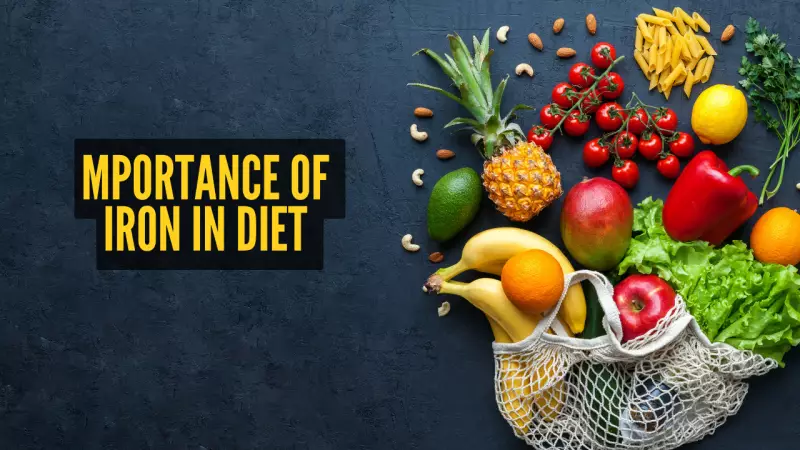
While red meat is a well-known source, many fruits and vegetables are excellent, accessible sources of iron, perfect for vegetarians and those looking to diversify their diet. Here are nine of the best options, complete with their iron content and easy ways to enjoy them.

1. Dried Peaches (4.1 mg per 100g): A sweet and portable snack, dried peaches are an iron treasure. Enjoy them on their own, chop them into your morning cereal or oatmeal, blend them into smoothies for a natural sweetness, or toss them into salads with nuts and seeds for a nutritious crunch.
2. Moringa Leaves (4 mg per 100g): Often called the 'drumstick tree' or 'sahjan,' moringa leaves are a superfood. You can knead them into dough to make flavourful parathas, cook them into a dal or curry, blend them into a green chutney, or dry and powder the leaves to mix into warm water as a health tonic.
3. Amaranth Leaves (2.3–3 mg per 100g): Known as 'chaulai' or 'thotakura' in Indian kitchens, these leafy greens are versatile. Prepare them as a classic saag, stir-fry them with garlic and spices, or mix them into atta to make nutritious rotis and theplas.
4. Spinach (2.7 mg per 100g): Popeye's favourite is a reliable iron source. For best absorption, lightly sauté or steam it. Use it in palak paneer, blend it into soups and dips, stuff it in parathas, or add a handful to your fruit smoothie for a hidden nutrient boost.
5. Dried Figs (2.0 mg per 100g): These chewy delights are best consumed after soaking in water overnight, which makes them easier to digest. Eat them on an empty stomach, add them to your breakfast bowl, or chop and mix them into energy bars and laddoos made with nuts and seeds.
6. Beetroot (1 mg per 100g): This vibrant root vegetable is great for blood health. Drink its juice on an empty stomach, perhaps with a dash of lemon or amla for vitamin C to enhance iron absorption. Grate it into salads, roast it as a side dish, or blend it into a hearty soup.
7. Broccoli (0.7 mg per 100g): Packed with multiple nutrients, broccoli is a health star. Blanch or sauté it briefly to retain nutrients and texture. Toss it into stir-fries, add it to pasta or noodle dishes, dip florets in hummus, or blend it into a creamy soup.
8. Dates (0.9 mg per 100g): Nature's candy, dates are energy-dense and iron-rich. Eat 2-3 as a quick snack, use them as a natural sweetener in milkshakes and desserts, or process them into a paste to bind and sweeten homemade protein balls and energy bites.
9. Watermelon (0.2 mg per 100g): While its iron content per 100g is modest, watermelon is hydrating and a source of vitamin C, which aids iron absorption from other foods in your meal. Enjoy it fresh, blend it into a refreshing slush or smoothie, or cube it into fruit salads.

Making Iron Work for You
Remember, the iron from plant sources (non-heme iron) is absorbed better when paired with vitamin C. So, consider having a glass of orange juice with your spinach, adding tomatoes to your lentil soup, or squeezing lemon over your beetroot salad. Conversely, avoid having tea or coffee immediately with iron-rich meals, as tannins can hinder absorption.
Disclaimer: The information provided here is for general knowledge and educational purposes only. It is not a substitute for professional medical advice. Always consult with your doctor or a qualified healthcare provider before making any significant changes to your diet, especially if you suspect an iron deficiency or any other health condition.