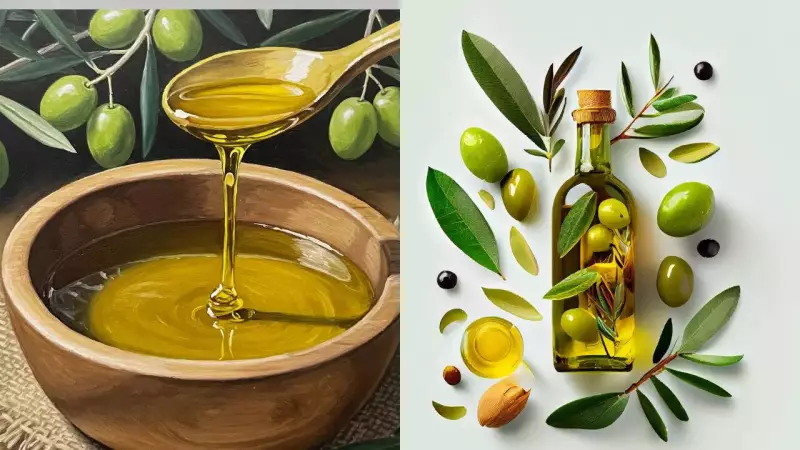
For generations, the golden elixir of olive oil has been a cornerstone of the Mediterranean diet, prized not just for its rich flavour but as a potent health tonic. While typically used for cooking, a growing trend sees individuals consuming it directly, with many opting for a daily dose of one to two teaspoons. But what exactly unfolds within your body when you make this a daily ritual? Let's delve into the nutritional science, the tangible benefits, and the essential considerations.
The Nutritional Powerhouse in Your Spoon
At its core, olive oil is a champion of healthy fats. It is predominantly composed of monounsaturated fats, specifically oleic acid, which constitutes 55–83% of its content. This is complemented by smaller amounts of polyunsaturated and saturated fats. Beyond fats, its true superpower lies in a rich array of antioxidants like vitamin E and polyphenols, which drive its anti-inflammatory and heart-protective effects. It also contains trace nutrients such as vitamin K, squalene, phytosterols, and phenolic acids, all contributing to robust cellular health.
Key Health Benefits of a Daily Dose
Incorporating just two teaspoons of olive oil into your daily routine can trigger a cascade of positive effects. For heart health, regular intake helps improve cholesterol profiles by boosting HDL (good cholesterol) and reducing LDL (bad cholesterol), while its anti-inflammatory properties lower cardiovascular disease risk.

Your digestive system also gets a boost. The oil can act as a mild laxative, promoting regular bowel movements and supporting overall gut health. Furthermore, the polyphenols actively combat systemic inflammation, offering protection against chronic conditions like arthritis and metabolic syndrome.
The benefits extend to your appearance as well. The vitamin E and healthy fats help maintain skin elasticity and hydration, and can strengthen hair over time. Emerging research also suggests olive oil may improve insulin sensitivity, aiding in blood sugar regulation for those managing or at risk of type 2 diabetes.
What Exactly Happens Inside Your Body?
When you consume those two teaspoons, the oil is efficiently digested and absorbed in the small intestine. The monounsaturated fats are either used for immediate energy or stored in cells for later. Almost simultaneously, the antioxidants enter the bloodstream, starting their protective work on blood vessels and cells. You might notice smoother digestion and a greater feeling of fullness, which can help curb unnecessary snacking. With consistent consumption, these acute effects translate into long-term gains: reduced inflammation, healthier cholesterol levels, and improved skin and hair vitality.
Essential Precautions for Your Practice
While highly beneficial, this practice requires mindfulness. First, moderation is key. Olive oil is calorie-dense, with about 120 calories per tablespoon. Two teaspoons add roughly 80 calories to your daily intake, which can contribute to weight gain if not accounted for.
Quality cannot be compromised. Always opt for extra virgin olive oil, as it retains the highest concentration of antioxidants and nutrients compared to refined varieties. Some individuals might experience mild digestive discomfort, such as an upset stomach or diarrhea, when starting. It is often advisable to begin with one teaspoon and gradually increase to two.
In conclusion, drinking two teaspoons of olive oil daily is a simple, evidence-backed strategy to enhance heart function, support digestion, and increase your antioxidant defence. By choosing a high-quality oil and consuming it mindfully, you can harness the profound wellness benefits of this ancient dietary staple.