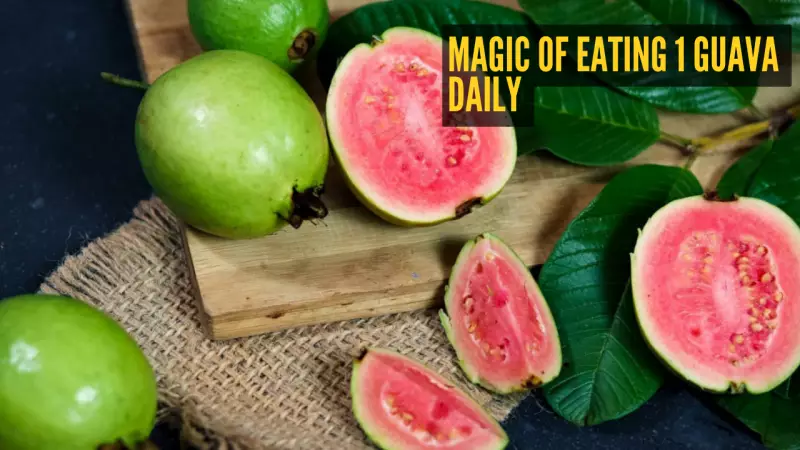
For years, the humble guava has been overlooked, often dismissed as a common seasonal fruit with little nutritional prestige. However, a significant shift is underway as nutrition experts across India are now championing this local fruit, recognizing it as a powerhouse of essential nutrients that rivals many expensive, imported alternatives.
The Nutritional Powerhouse in Your Backyard
Affordable and widely available, guava offers one of the most cost-effective ways to significantly enhance the nutritional value of an Indian diet. It surpasses numerous fancier fruits in its concentration of vitamin C and vital micronutrients. Its versatility is another strength—it can be eaten raw as a snack, sliced into salads, or blended into chutneys and refreshing drinks.
There's a compelling reason guava is earning the title of a desi superfruit. A standard 100-gram serving provides approximately 68 kcal, containing about 14 grams of carbohydrates, a remarkable 5.4 grams of dietary fiber, 2.5 grams of protein, and less than 1 gram of fat. Its most staggering statistic is its vitamin C content: roughly 228 mg per 100 grams. This far exceeds the daily recommended intake of 90 mg for adult men and 75 mg for adult women.

Beyond vitamin C, guava delivers a decent amount of potassium and folate. It is low in calories yet rich in antioxidants that support immunity, gut health, and skin vitality. The high fiber and water content promote a feeling of fullness and aid smooth digestion. This combination of high fiber, low calories, and a low glycemic impact makes it an intelligent dietary choice for individuals managing weight, blood sugar levels, or cholesterol.
Making Guava a Daily Habit: Key Benefits
Incorporating one guava daily during its season can yield multiple health advantages. The exceptionally high vitamin C level bolsters immune function and is crucial for collagen synthesis, which maintains skin and tissue health. The dietary fiber acts as a prebiotic, feeding beneficial gut bacteria, ensuring regular bowel movements, and enhancing satiety after meals.
Furthermore, the fruit's potassium and fiber content, coupled with its low sodium and fat profile, contribute positively to blood pressure regulation, cholesterol management, and weight control when consumed as part of a balanced diet. In the Indian context, its seasonal availability, local provenance, and lower cost compared to imported fruits with similar or inferior nutrition profiles make it an unbeatable choice.
When is the Best Time to Eat Guava?
Most nutritional and Ayurvedic guidance suggests that fruits, including guava, are best consumed during the daytime rather than late at night. Ideal times include:
In the morning on a relatively empty stomach to maximize the absorption of its fiber and vitamin C for digestive and immune benefits. As a mid-morning or early afternoon snack, about 1–2 hours after a meal, allowing for optimal digestion without interference from a heavier meal.
A general recommendation for most healthy adults is to enjoy a ripe but firm guava in the morning or as a daytime snack. Those with sensitive stomachs may want to avoid large quantities of very hard, unripe guava on a completely empty stomach, as the coarse fiber can be harsh.
4 Simple and Tasty Guava Recipes
Transform this superfruit into delightful snacks with these easy recipes:
Guava Feta Salad: Cut a ripe guava into wedges. Lightly toast and crush almonds or walnuts. Prepare a dressing with honey, mustard, black pepper, and salt. Assemble all components and top with crumbled feta cheese for a perfect light breakfast or snack.
Guava Chaat: Cube slightly ripe, firm guavas along with one banana and 50 grams of papaya. Mix them in a bowl and add chaat masala, lemon juice, black salt, and green chutney. Toss in some toasted peanuts, mix well, and serve.
Guava Smoothie: Blend ripe guava with black salt, half a teaspoon of brown sugar, one teaspoon of peanut butter, and some crushed mint leaves. Strain the mixture and serve with a sprinkle of black salt and red chilli powder.

Guava Chutney: Blend one ripe guava with a seedless tamarind ball, salt, sugar, a handful of roasted peanuts, and one green chilli into a smooth paste. Finish with a drizzle of mustard oil before serving.