

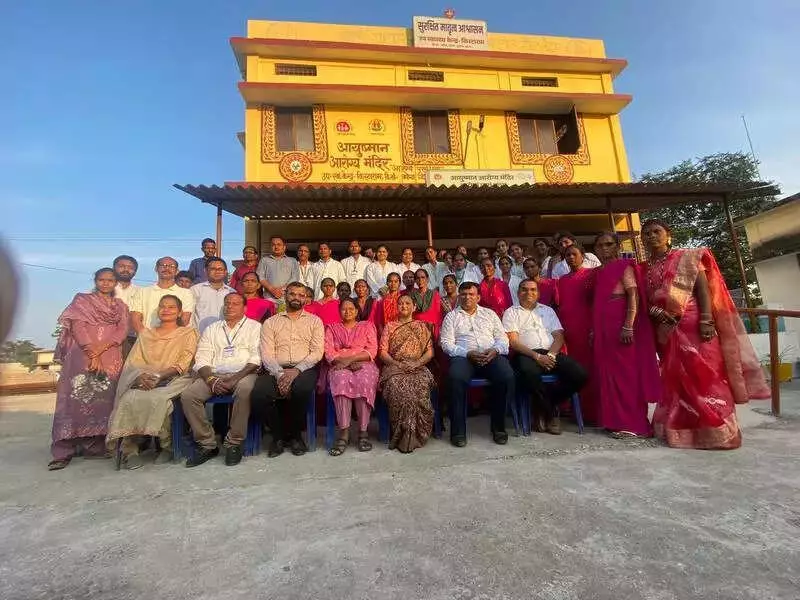
In a significant achievement for healthcare in conflict-ridden regions, eleven government health facilities located in the Maoist-affected districts of Dantewada and Sukma in Chhattisgarh have successfully cleared the rigorous National Quality Assurance Standards (NQAS) evaluation. The assessment was conducted with crucial technical support from the World Health Organisation (WHO), marking a major milestone in delivering quality medical services to remote and security-sensitive areas.
Overcoming Adversity to Deliver Quality Care
This accomplishment underscores the relentless efforts of health workers operating under extremely challenging conditions. The terrains are difficult, resources are often limited, and security concerns are a constant reality. A standout example is the Kistaram Sub-Health Centre in the Konta block. Officials highlighted that this centre is situated approximately 200 km from the district headquarters and 120 km from the block headquarters, in a location bordering two states and considered highly sensitive from a security perspective. Despite these formidable obstacles, the health staff maintained strong service standards, which were recognized in the national audit.
Details of the Achievement
Health department officials provided a breakdown of the successful institutions. A total of 11 health institutions completed their NQAS evaluation in the past fortnight. Of these, four are from Sukma district and seven are from Dantewada district. These districts, once among the nation's most active Left-Wing Extremism zones, are classified as aspirational districts, making this progress particularly noteworthy. The government stated that this feat reflects its commitment to making healthcare accessible, reliable, and of high quality in tribal and hard-to-reach regions.

A Step Towards Health Equity
The successful NQAS certification is more than just an administrative milestone. It represents a crucial step toward ensuring the fundamental right to health for populations in marginalized and conflict-affected areas. Extending improved and standardized health services to these regions is vital for inclusive development. The involvement of the WHO in providing technical cooperation for the evaluation adds an international benchmark of quality to these local health centres, boosting credibility and setting a precedent for other similar regions in the country.
The achievement in Dantewada and Sukma demonstrates that with determined effort and systematic support, quality healthcare delivery can be sustained even in the most demanding environments, offering a blueprint for other remote and high-risk areas across India.






