

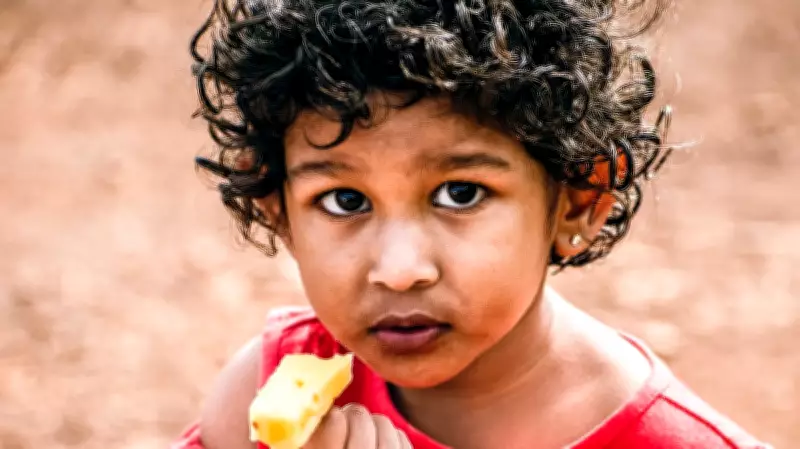
Alarming Malnutrition Crisis in Gujarat: Over 2 Lakh Children Affected
The Government of Gujarat has presented concerning data to the state assembly, revealing a significant malnutrition crisis among children. According to official reports, more than 2 lakh children across 20 of Gujarat's 34 districts are currently classified as malnourished. This troubling statistic highlights a pressing public health issue that demands immediate attention and intervention.
Detailed Breakdown of Malnutrition Categories
Women and Child Development Minister Manisha Vakil provided a comprehensive breakdown of the figures during the assembly session. The data, current as of January 2026, shows that out of the total 2.05 lakh malnourished children recorded, a staggering 1.69 lakh fall into the 'underweight' category. Even more alarming is the fact that 36,805 children are classified as 'severely underweight,' indicating a critical level of nutritional deficiency that poses serious health risks.
The concentration of these cases in 20 specific districts suggests regional disparities in nutritional access and healthcare infrastructure. While the government did not specify which districts are most affected, the widespread nature of the problem across more than half of Gujarat's districts points to systemic challenges that require coordinated efforts across multiple sectors including health, agriculture, and social welfare.

Government Response and Future Implications
This revelation comes at a crucial time when child health indicators are being closely monitored nationwide. The substantial number of malnourished children, particularly those in the severe category, raises questions about the effectiveness of existing nutritional programs and the need for enhanced monitoring mechanisms. Minister Vakil's presentation to the assembly indicates the government's acknowledgment of the issue, which is the first step toward developing targeted solutions.
Nutrition experts emphasize that early childhood malnutrition can have lifelong consequences, affecting cognitive development, educational outcomes, and future economic productivity. The data from Gujarat serves as a wake-up call for policymakers to strengthen implementation of nutritional schemes, improve access to quality healthcare, and address underlying factors such as poverty, food security, and maternal health that contribute to childhood malnutrition.
As the government processes this information, stakeholders await concrete action plans to address this humanitarian challenge and ensure that Gujarat's children receive the nutritional support necessary for healthy development.






