

A deeply concerning incident in Jharkhand, reported just a week before World AIDS Day, has cast a harsh spotlight on the grave risks faced by children with thalassemia and the pressing need to overhaul India's blood safety protocols. The case involves five children who acquired HIV after receiving infected blood transfusions at a hospital.
A Lifeline Turned Threat for Thalassemia Patients
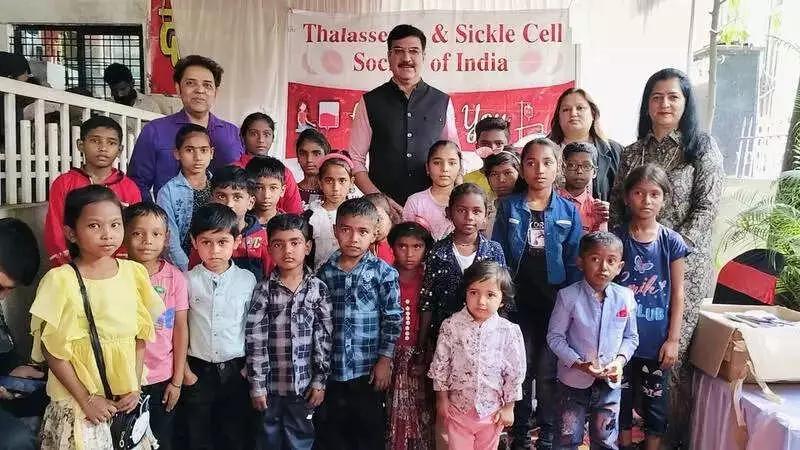
Dr. Vinky Rughwani, a Nagpur-based paediatrician and President of the Thalassemia and Sickle Cell Society of India, brought attention to this tragedy. He emphasized that children with thalassemia major are among the most vulnerable groups for contracting blood-borne infections like HIV and hepatitis. This vulnerability stems from their lifelong dependence on regular blood transfusions for survival. If the blood supply is not screened with the utmost care and most advanced technology, this essential treatment becomes a potential death sentence.
Dr. Rughwani stated that the Jharkhand incident is a stark reminder of the systemic gaps that need immediate addressing. Strengthening safeguards within the national blood-transfusion framework is not just critical for thalassemia patients but would also contribute significantly to reducing the overall burden of HIV in the country.

The Critical Gap: ELISA vs. NAAT Testing
The core of the safety debate, as highlighted by Dr. Rughwani, lies in the testing methodology. Most blood banks in India currently rely on the ELISA (Enzyme-Linked Immunosorbent Assay) test to screen for infections. However, this test has a major flaw: it cannot detect HIV or other viruses during the "window period." This is the crucial gap between when a person contracts the virus and when their body produces enough antibodies for the ELISA test to identify.
Dr. Rughwani stressed the urgent need for a nationwide shift to the more sophisticated Nucleic Acid Amplification Test (NAAT). "NAAT picks up the virus through its genetic material and is far more effective in ensuring blood safety, as it drastically reduces the window period," he explained. This advanced test can detect an infection within days, unlike ELISA which may take weeks, offering a much higher safety guarantee for recipients.
Policy Gaps and Patient Burden
Dr. Rughwani acknowledged a positive policy in Maharashtra, where the state government ensures that all thalassemia patients receive blood and blood components free of cost. Blood banks are legally mandated to provide these without charge. However, a significant loophole exists. If a patient or their family specifically requests NAAT-tested blood for enhanced safety, they are forced to bear an additional cost of up to Rs. 1,000 per transfusion.
This creates an inequitable situation where the safest blood comes at a premium, putting financial strain on families already managing a chronic condition. The incident underscores a national imperative: to make advanced, reliable blood screening like NAAT the standard and accessible protocol for all, especially for high-risk groups like thalassemia patients. As World AIDS Day approaches, this report is a sobering call to action to protect the most vulnerable from preventable harm.






