

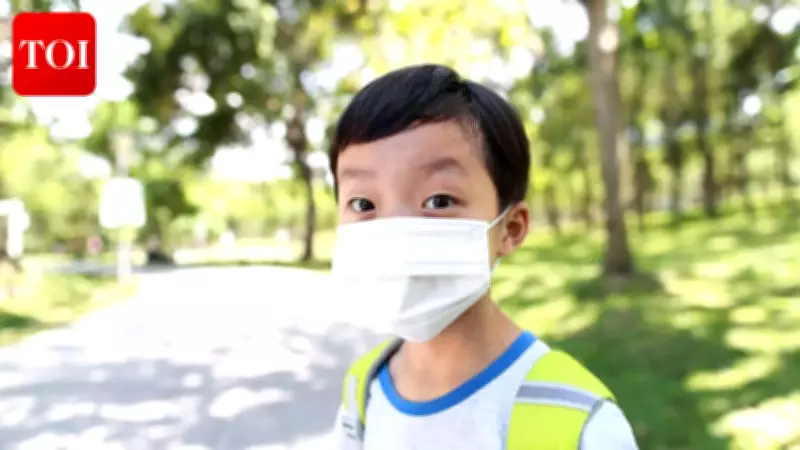
The Invisible Threat: How Polluted Air Is Harming Our Children's Lungs
Across urban landscapes today, a silent health crisis is unfolding as children carry inhalers in their school bags alongside textbooks. Parks and playgrounds remain shrouded in haze, while morning routines now include checking air quality indices before stepping outside. For countless parents, this is no longer an abstract environmental discussion but a pressing daily health concern that directly impacts their families.
"Air pollution stands as one of the primary drivers behind the alarming increase in respiratory problems we're witnessing today," states Dr. Ravi Shekhar Jha, Director and Unit Head of Pulmonology at Fortis Escorts Hospital in Faridabad. His professional assessment echoes the lived experiences of numerous households: escalating incidents of persistent coughing, worsening breathlessness, and more frequent hospital visits that disrupt family life.
The Toxic Mix Children Breathe Daily
In metropolitan environments, the atmosphere typically contains a dangerous cocktail of vehicle exhaust emissions, industrial pollutants, construction site dust, and fumes from burning waste materials. These contaminants combine and accumulate, particularly during winter months when reduced wind speeds allow pollution to stagnate at ground level.

"The most hazardous component of polluted air is fine particulate matter known as PM2.5," explains Dr. Jha. "These microscopic particles penetrate deep into lung tissue, causing continuous inflammation and irritation that damages delicate respiratory structures."
PM2.5 particles measure less than 2.5 micrometers in diameter, making them small enough to bypass the body's natural nasal and throat defenses. They travel directly into the deepest regions of lung tissue, where they embed themselves and trigger chronic inflammatory responses. Children face heightened vulnerability because they breathe more rapidly than adults, inhaling greater volumes of air relative to their body weight and consequently absorbing more toxins when air quality deteriorates.
Why Developing Lungs Face Greater Danger
A child's respiratory system undergoes continuous development throughout adolescence, with air sacs multiplying and lung capacity expanding as the body grows. This ongoing maturation process creates particular susceptibility to environmental damage.
"Children represent an especially vulnerable population because their lungs remain in critical developmental phases," emphasizes Dr. Jha. "Prolonged exposure to polluted air can significantly impair lung growth patterns, potentially resulting in permanently diminished lung capacity that persists throughout adulthood."
International health research demonstrates that children subjected to high pollution levels may never achieve their full lung function potential. The consequences manifest as:
- Reduced physical stamina during sports and activities
- Increased frequency of respiratory infections
- Elevated risk of chronic lung diseases in later life
What parents might dismiss as recurrent colds could actually represent irritated airways reacting to toxic air pollutants.
The Dangerous Intersection of Asthma and Pollution
For families managing asthma conditions, air pollution functions as an inescapable trigger that exacerbates symptoms regardless of preventive measures.
"Patients diagnosed with asthma and other chronic respiratory conditions suffer most severely during pollution episodes," observes Dr. Jha. "On days with deteriorated air quality, asthma attacks become more frequent, necessitating increased inhaler usage and medical interventions."
Emergency department visits typically surge when air pollution levels escalate. Children with asthma may experience:

- Chest tightness and constriction
- Audible wheezing during breathing
- Sleep disturbances due to respiratory distress
Repeated inflammatory episodes can further damage airway tissues, making asthma progressively more difficult to manage over time. Children with pre-existing lung conditions also face heightened susceptibility to chest infections, sometimes requiring hospitalization—creating stressful, costly, and emotionally draining cycles for entire families.
The Cumulative Health Impact Across Generations
Air pollution damage often accumulates silently without immediate symptoms. "Over extended periods, this leads to chronic breathlessness, persistent coughing, and diminished stamina even among previously healthy individuals," Dr. Jha clarifies.
Emerging scientific evidence indicates that long-term exposure to polluted air increases lung cancer risks among non-smokers, accelerates lung aging processes, and reduces overall life expectancy. Elderly family members face parallel dangers, as pollution aggravates both respiratory and cardiovascular conditions. In multigenerational households, the same contaminated air simultaneously threatens vulnerable children and grandparents.
Moving Beyond Individual Solutions
Dr. Jha provides crucial perspective: "While protective measures like wearing masks, limiting outdoor activities during peak pollution hours, and improving indoor air quality offer some mitigation, they remain insufficient. Genuine solutions require controlling pollution at its source through cleaner fuels, enhanced public transportation systems, stricter emission regulations, and effective urban planning strategies."
This reality means parents cannot shoulder sole responsibility for addressing this public health challenge. Achieving clean air demands comprehensive policy reforms, civic engagement, and collective societal action. "Clean air constitutes a fundamental requirement rather than an optional luxury," asserts Dr. Jha. "Treating air pollution as a public health emergency represents the essential first step toward protecting respiratory health for future generations."
Children possess no choice regarding the air they breathe daily. Their wellbeing depends entirely on adult decisions, systemic improvements, and governmental commitments to safeguard this most basic requirement for healthy development.





