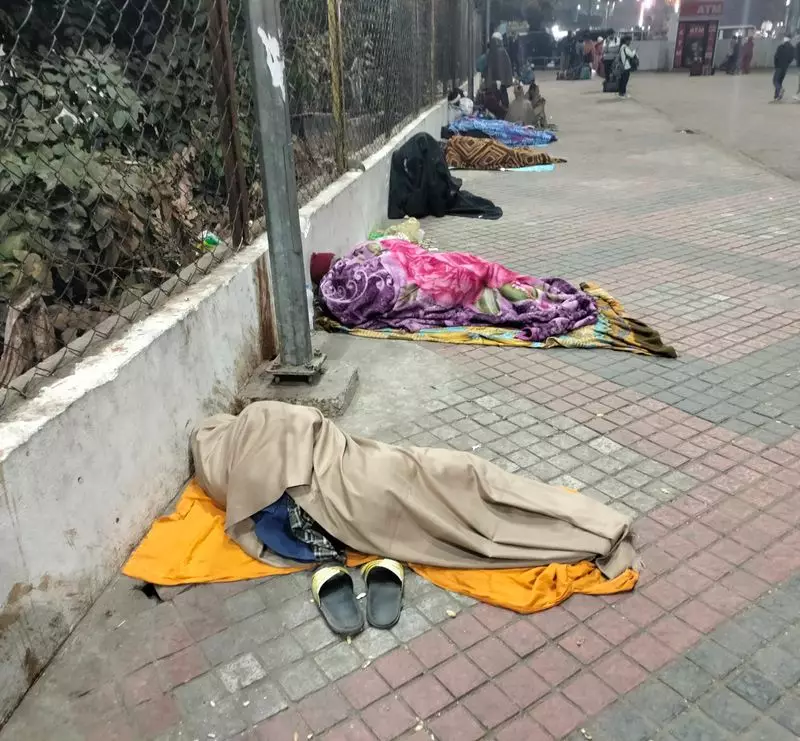
In a paradoxical situation unfolding in Ambala, government-run night shelters meant to protect the homeless from harsh winter conditions remain underutilized. Even as temperatures drop, a significant number of people are choosing to spend their nights in the open, exposed to the cold, despite beds being available.
Shelters Have Vacant Beds Amidst Cold Wave
Officials from the Ambala Municipal Corporation have confirmed that the city's night shelters are not operating at full capacity. There are four functional night shelters in Ambala city and two in Ambala Cantonment, providing a crucial refuge during the winter months. These facilities offer basic amenities including beds, blankets, and clean drinking water. However, recent inspections and reports indicate that many of these beds lie empty each night.
The shelters are strategically located to be accessible. In Ambala city, they are situated at the Old Grain Market, near the Court complex, at Patel Park, and in front of the Red Cross. The Cantonment area has shelters at the Jain Mandir and near the Lal Kurti police station. Yet, the occupancy rates tell a story of neglect and missed opportunity for warmth and safety.

Why Are People Avoiding the Shelters?
This reluctance to use the available facilities points to deeper, systemic issues. While officials have not pinpointed a single cause, common factors in such scenarios often include a lack of awareness about the shelter locations and services, perceived restrictions or rules within the shelters, and personal preferences for familiar outdoor spots. Some homeless individuals may also be daily wage laborers or rag-pickers who find the shelters too far from their places of work or their collected materials.
Municipal Commissioner Shaleen Tangri has taken note of the situation and directed the concerned staff to actively encourage homeless individuals to move into the shelters. The directive is clear: ensure that every person in need is aware of and has access to this basic winter protection. The staff has been instructed to reach out to those sleeping in open spaces like parks, pavements, and market areas.
A Call for Community Outreach and Action
The current scenario underscores a gap between the provision of a service and its effective utilization. Simply having infrastructure is not enough; proactive community engagement is essential. The municipal team's efforts to persuade people to use the shelters are a step in the right direction, but sustained outreach is needed.
This issue is particularly critical during the winter season when exposure can lead to severe health risks and even fatalities. The empty beds in warm shelters while people shiver outside represent a failure in communication and outreach that needs immediate rectification. It is a reminder that social welfare schemes must be accompanied by robust awareness campaigns and sensitivity to the circumstances of the intended beneficiaries.
The situation in Ambala serves as a microcosm of a challenge faced by many cities. The goal must be to not just open shelters, but to ensure they become a trusted and used resource for the most vulnerable, bridging the gap between policy and practical, life-saving impact on the ground.