

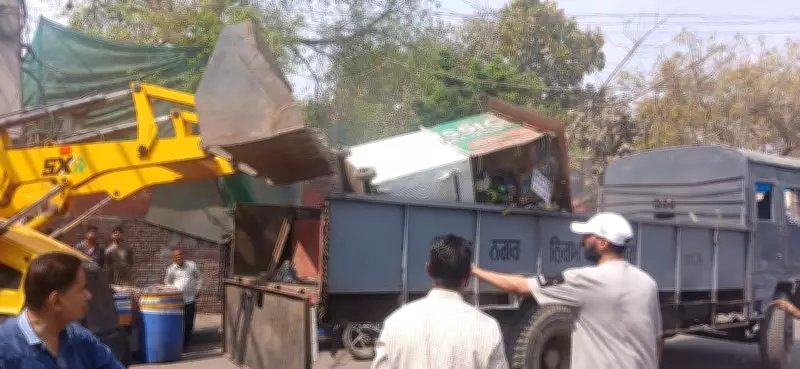
Amritsar Takes Action Against Public Smoking in Historic Walled City
In a significant move to promote public health and urban cleanliness, the Amritsar Municipal Corporation has initiated the removal of cigarette and tobacco kiosks from the historic Walled City area. This crackdown targets unauthorized and makeshift stalls that have long been a common sight, often contributing to litter and public smoking in this culturally rich zone.
Enforcement Drive Aims to Curb Nuisance and Improve Aesthetics
Officials report that the enforcement action is part of a broader effort to address complaints from residents and tourists about the proliferation of these kiosks. Many were operating without proper licenses or in violation of municipal bylaws, leading to concerns over hygiene and the visual appeal of the area, which is home to iconic sites like the Golden Temple.
Key Measures Implemented:- Systematic removal of kiosks selling cigarettes, bidis, and other tobacco products.
- Increased monitoring to prevent illegal vending and ensure compliance with regulations.
- Public awareness campaigns highlighting the health risks of smoking and the importance of a clean environment.
Mixed Reactions from Local Stakeholders
The decision has elicited varied responses from the community. Health advocates and some residents have welcomed the move, citing potential benefits for reducing smoking rates and maintaining the sanctity of the Walled City. However, small vendors and shopkeepers affected by the removal express concerns over their livelihoods, arguing that it could lead to economic hardship without alternative support.

Broader Implications for Public Health and Urban Governance
This initiative aligns with national and state-level efforts to combat tobacco use, which remains a leading cause of preventable diseases in India. By targeting high-traffic areas like the Walled City, Amritsar aims to set a precedent for other cities grappling with similar issues. Experts suggest that such measures, if sustained, could contribute to a decline in public smoking and foster a healthier lifestyle among citizens.
Looking ahead, authorities plan to continue regular inspections and engage with stakeholders to balance public health goals with economic considerations. The success of this drive may influence future policies on tobacco control and urban management in Punjab and beyond.






