

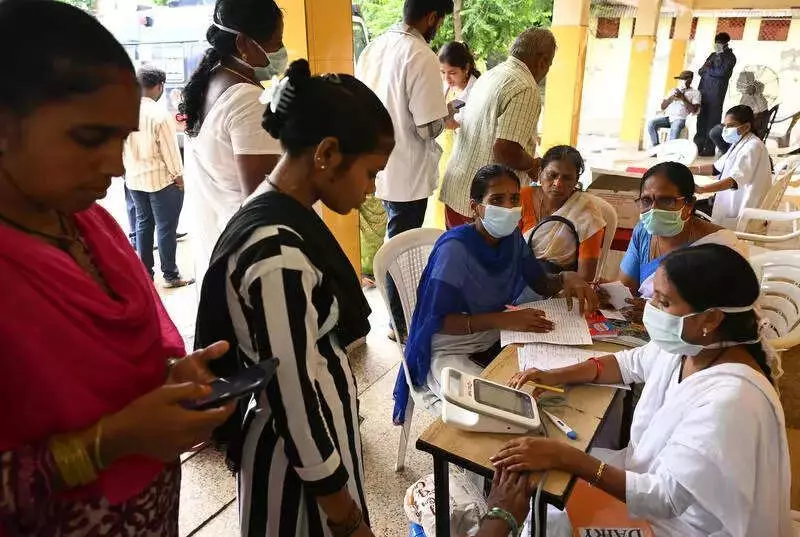
Andhra Pradesh has reported five fatalities due to waterborne diarrheal infections this year, marking a concerning rise in the death toll compared to previous years. The data, current until November 30, 2025, reveals a complex picture of the state's public health challenges related to contaminated water.
A Rising Fatality Rate Amid Declining Outbreaks
According to the latest government figures, the five deaths occurred out of 350 reported cases across 21 separate waterborne diarrheal outbreaks. This represents a significant jump from just one death recorded in the entirety of 2023. Notably, this increase in fatalities has happened even as the total number of cases and outbreaks has seen a decline. In 2023, the state reported 401 cases across 11 outbreaks, while 2024 saw 409 cases from a much higher 59 outbreaks, resulting in four deaths.
The current year's data indicates a shift in the outbreak pattern, with a concentration of cases leading to more severe outcomes. In a parallel and more positive trend, the state recorded zero deaths from foodborne diarrheal outbreaks in 2025. There were 591 such cases reported across 39 outbreaks until November 30.

Cholera Outbreaks and the Root Cause: Pipeline Leakages
A separate but related concern is the incidence of cholera, a severe diarrheal disease. Andhra Pradesh reported six cholera outbreaks involving 30 cases with no deaths this year. This is an improvement from 2024, which witnessed 92 cases across 22 outbreaks, leading to seven fatalities.
Investigations into the 2025 cholera cases point directly to infrastructure failures. A significant cluster of 17 cases was linked to AIIMS Mangalagiri, associated with its canal water supply from Ippatam. Other cases were distributed across the state: seven from Guntur district, three from New RR Peta in NTR district, and one from Billalavalsa village in Vizianagaram. Health authorities have identified pipeline leakages as the primary cause behind these cholera infections.
Institutional Settings Remain Vulnerable
The government data highlights that institutional settings are particularly at risk. In 2025, a total of 60 combined waterborne and foodborne diarrheal outbreaks were reported across Andhra Pradesh. Out of these, 22 outbreaks originated in government and private hostels and educational institutions. This underscores the critical need for stringent water safety and hygiene protocols in places with large congregate settings.
While the reduction in the total number of outbreaks from 59 in 2024 to 21 in 2025 is a positive development, the increase in the death toll for waterborne diseases signals that vigilance and rapid response mechanisms must be strengthened. The recurring issue of pipeline leakages, as evidenced in the cholera cases, calls for urgent infrastructural audits and repairs to prevent future outbreaks.






