

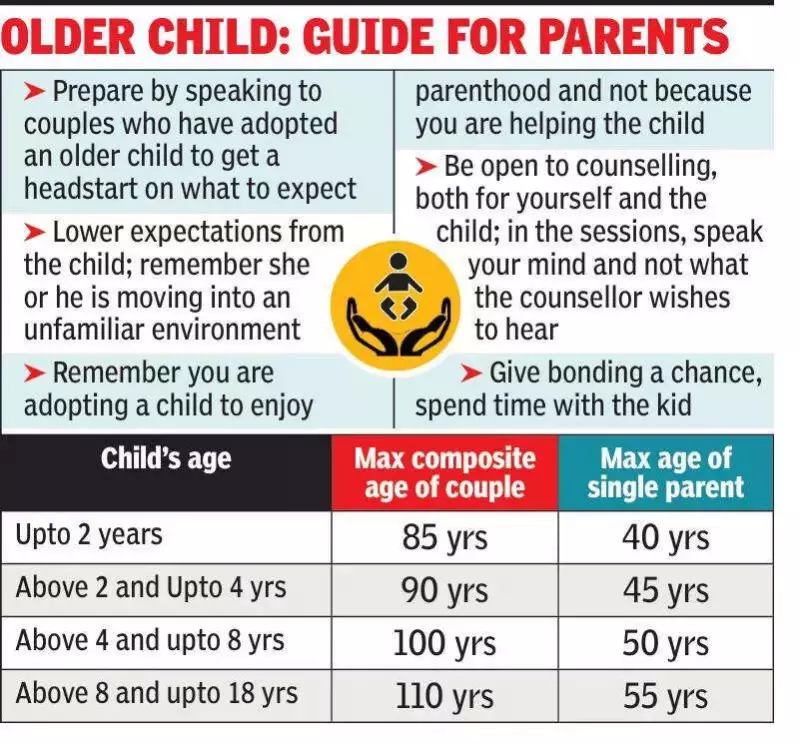
West Bengal stands out as one of India's leading states in child adoption, yet a persistent trend casts a shadow on this achievement. Prospective parents continue to show a strong reluctance to adopt children who are six years or older, creating a significant backlog for older children in need of homes.
The 'Clean Slate' Preference and Societal Bias
According to Bipasha Roy, a governing body member of the State Adoption Resource Agency (West Bengal), the long queue of waiting parents is primarily due to this age-based hesitation. She explains that the overwhelming demand is for children, preferably below two years of age.
The core reason, Roy states, is that parents desire a child they perceive as a 'clean slate'. They wish for the child to grow up with no recollection of a past life, making it easier to mould them according to their own expectations. This is coupled with concerns about easier integration into the family and underlying societal prejudices against adopting older children.

Advocates Highlight Benefits of Adopting Older Children
In response to this challenge, Atmaja, an association for adoptive parents formed 25 years ago, is actively working to shift perspectives. The group is now focusing on educating prospective parents about the distinct advantages of welcoming an older child into their family.
Nilanjana Gupta, former Jadavpur University professor, founder chairperson of Atmaja, and an adoptive parent herself, offers a practical viewpoint. She notes that couples often turn to adoption after a decade of trying for a biological child, typically placing them in their late 30s or 40s.
"If they were to adopt a six-seven year-old child, it could happen in a matter of days as there are many children of that age waiting for adoption. Also, the age gap between the parents and the child would be less," Gupta explains.
Addressing the Disclosure Dilemma
Another significant advantage, as highlighted by Anup Dewanji, a retired ISI professor, current chairman of Atmaja, and adoptive parent, revolves around transparency. One of the biggest dilemmas for parents adopting infants is deciding when and how to reveal the adoption to the child.
"This dilemma is not there in the case of older children as they already know they are being adopted," Dewanji points out, suggesting a more straightforward emotional journey for all involved.
However, changing deep-seated preferences remains an uphill task. Saumeta Medhor of the adoption agency The Indian Society for Sponsorship & Adoption confirms the trend, stating that the biggest challenge is couples wanting a child with no prior memories. She reveals that only 1% of couples actively seek an older child, and often do so only because they are ineligible to adopt a younger one.
The situation presents a clear paradox: high adoption rates coexist with a lengthy wait for countless older children. While Bengal leads in giving children families, advocates stress that breaking the age barrier is the next crucial step towards truly inclusive adoption.






