

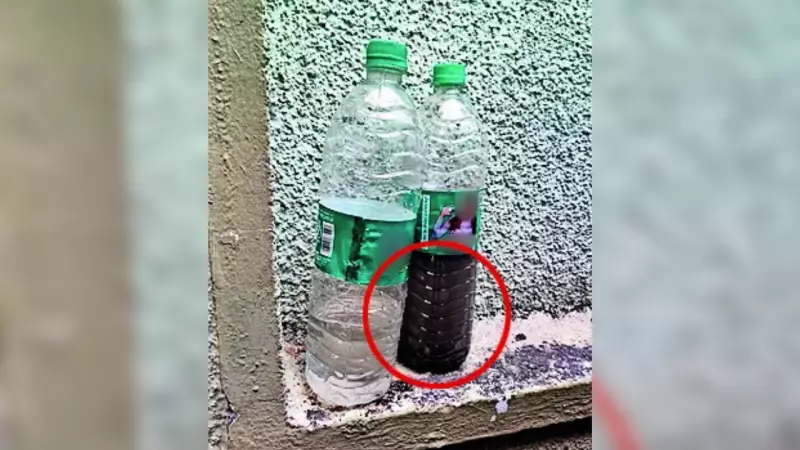
Residents of KSFC Layout in Bengaluru's Lingarajapuram area are living in fear and anger after discovering their drinking water supply is contaminated with sewage. The alarming situation, which has persisted for over a week, has forced 30 to 40 households to abandon their taps and rely on expensive private water sources, sparking fears of a major public health disaster reminiscent of past outbreaks in cities like Indore.
A Crisis Unfolds: From Suspicions to Confirmed Contamination
For weeks, the problem remained hidden. Families attributed recurring illnesses—stomach aches, vomiting, and diarrhea—to food poisoning or seasonal bugs. The grim reality surfaced only recently when residents, while cleaning their underground water sumps, found thick layers of dark, foul-smelling sewage silt. The water flowing from taps was frothy and discolored, carrying an unmistakable stench.
"When we opened the sump, it wasn't just dirty water—it was stinking sewage sludge," said Paul Newman, a distressed resident. His daughters fell ill, and soon neighbors reported similar gastrointestinal distress, confirming a pattern. Another resident, Shamala, noted the contamination has dramatically worsened. "Initially, dirty water would flow for a few minutes. Now, the water is extremely foul-smelling and completely unusable," she explained.

Health Toll and Mounting Financial Burden
The human cost of this contamination is severe and growing. Multiple residents have required hospitalization for suspected water-borne infections. Anicita Rosario's family was repeatedly sick before a doctor confirmed a bacterial infection from water, leading to her daughter's hospitalization. Treating physicians have consistently linked the illnesses to water contamination.
With the BWSSB yet to provide an alternative, the financial strain is compounding the health emergency. Families are now burdened with:
- Hefty hospital bills from water-borne illnesses.
- Costs for deep cleaning contaminated underground sumps.
- Continuous expenses for private water tankers and packaged RO water for drinking and cooking.
"We are not just dealing with health issues but also huge unexpected costs," said a resident named Paul. He added that even if the main leak is fixed, the fear of contaminated internal pipelines remains, making them hesitant to use their own taps again.
Official Response and Lingering Uncertainty
Following numerous complaints, BWSSB officials inspected the Lingarajapuram area on Friday and Saturday. They confirmed the grave mix-up: sewage has indeed infiltrated the potable water pipeline at an as-yet-unidentified point. However, residents allege the response has been slow and haphazard, with officials digging up multiple locations in a trial-and-error method to trace the source of the breach.
While the confirmed impact is on over 30 houses along one lane, anxiety is spreading that the contamination zone could be wider. The community's primary demand is clear: they urge the BWSSB to urgently pinpoint the exact source of the contamination, permanently restore a safe water supply, and provide immediate relief through water tankers until the system is fully sanitized and declared safe.






