

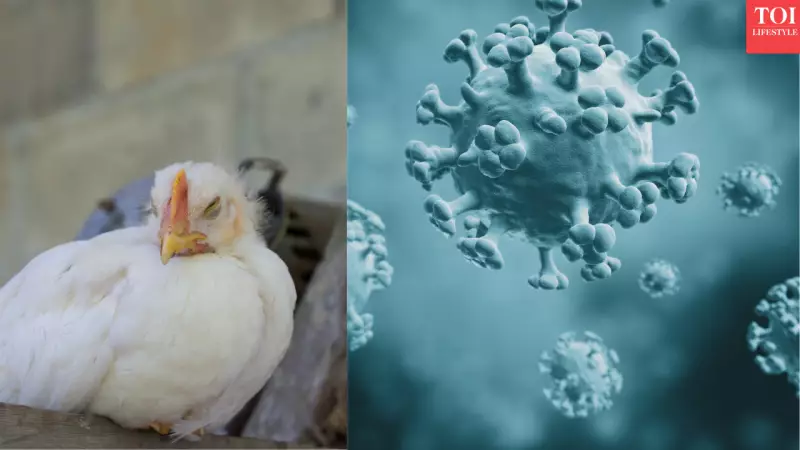
The spectre of a new pandemic looms in public consciousness as avian influenza, particularly the H5N1 strain, continues its unprecedented spread through animal populations, from wild birds to cattle. This has led to rare but concerning human infections, prompting experts and citizens alike to question if this virus could trigger the next global health crisis, mirroring historical leaps from animals to humans.
Current Spread and Human Impact
The H5N1 virus is currently thriving in wild birds, which act as carriers, facilitating its global journey. This has resulted in significant outbreaks in poultry operations and, since early 2024, in dairy herds across the United States. This animal epidemic has had a direct human cost.
By late 2025, the U.S. recorded 71 human cases, nearly all of them among dairy or poultry workers exposed to the virus by breathing in contaminated aerosols or touching infected equipment. Fortunately, most experienced mild symptoms like conjunctivitis (pink eye), cough, or fatigue and recovered quickly with antiviral drugs like oseltamivir.

Globally, the picture is more severe. From 2003 through mid-2025, 986 human infections were reported across 25 countries, resulting in 473 deaths. This translates to a startlingly high fatality rate of approximately 48%. Recent clusters, such as 11 cases linked to backyard chickens in Cambodia early this year, highlight ongoing risks. A new development was the first U.S. bird flu death in Washington, caused by the H5N5 strain in an older adult with pre-existing health conditions, though this infection did not spread further.
How Humans Are Exposed and Why Spread is Limited
Exposure primarily occurs in occupational settings. Workers culling sick birds, milking cows, or cleaning contaminated pens are at highest risk, often without the benefit of full protective suits. For the general public, the danger from properly cooked poultry or eggs is minimal, as heat above 165 degrees Fahrenheit (74 degrees Celsius) destroys the virus. However, health officials strongly warn against consuming raw milk from infected herds, which has tested positive in several states.
Critically, there is no clear evidence of sustained human-to-human transmission, even in crowded farm environments or among families of infected patients. Scientific studies support this. Lab tests using ferrets, which model human respiratory systems, show the virus transmits poorly through the air between them. Genetic analysis reveals the virus binds more effectively to bird cell receptors than human ones, a significant barrier to easy adaptation for widespread human contagion.
Preparedness and Steps to Mitigate Risk
Global health agencies are not taking any chances. Nations, including those in Europe and the U.S., maintain stockpiles of H5N1 vaccines that can be deployed rapidly. These existing vaccines can trigger protective antibody responses in 60% to 95% of recipients. Technological advances are accelerating preparedness; mRNA vaccine platforms, emphasized in a 2024 WHO initiative, can cut production time from months to weeks, allowing faster matching to emerging strains.
On the ground, simple habits form the first line of defense:
- Consume only pasteurized dairy products and well-cooked meat.
- Practice thorough handwashing after any contact with birds.
- Use masks or goggles when working on farms with infected animals.
- Report dead wild birds or sick livestock to authorities immediately.
Agencies like the CDC and WHO are conducting real-time genetic surveillance to spot dangerous mutations early. Experts emphasize that the current bird flu situation is fundamentally different from the swift onset of COVID-19, as it lacks the crucial element of efficient person-to-person spread. While the virus evolves, constant vigilance—from enhanced farm biosecurity to robust global monitoring networks—combined with scientific advancement currently holds the edge in keeping the threat contained.






