

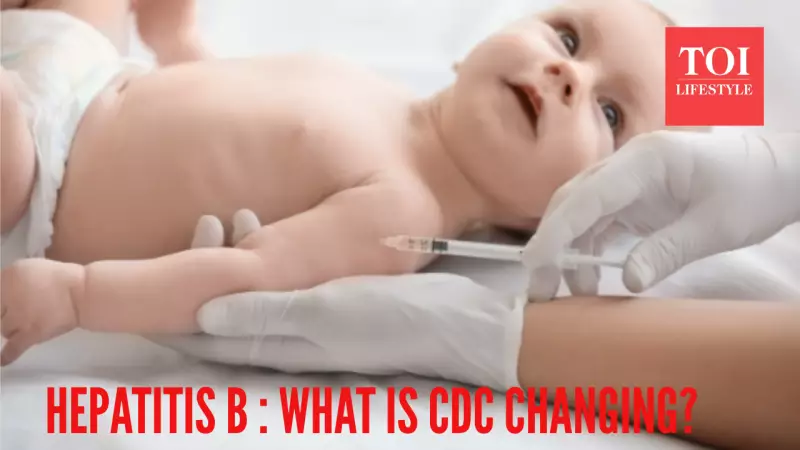
In a significant shift for infant healthcare in the United States, the vaccine advisory committee of the Centers for Disease Control and Prevention (CDC) has voted to move away from a mandatory hepatitis B vaccine for all newborns within 24 hours of birth. The new policy introduces individual-based decision-making for infants whose mothers test negative for the hepatitis B virus, marking the end of a universal "one-size-fits-all" approach that has been in place for over three decades.
What Has Changed in the Newborn Vaccination Policy?
For more than 30 years, U.S. policy mandated that every newborn receive the first dose of the hepatitis B vaccine within a day of birth, regardless of the mother's infection status. This universal birth dose was instrumental in slashing childhood hepatitis B infections from tens of thousands annually in the early 1990s to just a few dozen per year today.
The CDC's Advisory Committee on Immunization Practices (ACIP) has now voted to end this blanket recommendation for babies born to mothers who test negative for hepatitis B. For these infants, the committee recommends that parents consult with their baby's doctor to decide whether to administer the vaccine at birth or delay it until the child is at least two months old.

Key Protections That Remain Unchanged
Several critical safeguards continue as before. Babies born to mothers with a hepatitis B infection are still strongly advised to get the vaccine at birth, along with hepatitis B immune globulin (HBIG) within 12 to 24 hours. This combination reduces the baby's risk of contracting hepatitis B around birth by more than 90%.
The recommendation for pregnant women to be screened for hepatitis B during pregnancy remains standard care. Furthermore, families who prefer the birth dose for their newborn can still choose it, and insurance coverage is expected to continue as usual. The core change, therefore, primarily affects low-risk babies—those whose mothers test negative—whose families may now opt to postpone the first shot.
Reasons Behind the Policy Shift and Expert Concerns
The committee cited the United States' relatively low hepatitis B prevalence compared to many other countries as a key reason for the change. The ACIP workgroup noted that the U.S. policy of a universal birth dose is uncommon among high-income nations with low hepatitis B rates. Panel members also discussed balancing the benefits and risks of vaccinating within the first 24 hours when the mother is known to be negative and the infant's risk is minimal.
However, many liver and infectious-disease experts have expressed significant worry. They highlight that the birth dose has served as a crucial safety net. Screening can sometimes miss maternal infections, or test results may be unavailable at delivery. Additionally, babies can be exposed to the virus within their household or community after birth.
Major concerns include the potential for missed infections due to screening failures, the high stakes of infant infection—where over 90% develop chronic hepatitis B and 25% may eventually face fatal liver cancer or cirrhosis—and implementation gaps. Experts fear that adding another decision point for healthcare providers, who already struggle to deliver the birth dose within 24 hours, could lead to reduced vaccination rates. Advocacy groups like the Hepatitis B Foundation warn this could result in more infections and liver cancer cases in the future.
What This Means for Parents and the Wider Vaccine Schedule
For parents of newborns, the decision-making process becomes more involved. It will now hinge on the mother's confirmed hepatitis B-negative status. Families essentially have three paths: proceed with the hospital birth dose as before, omit the birth dose and start the series at two months, or discuss antibody testing after one or two doses to determine if further shots are needed.
Parents must understand hepatitis B transmission and its long-term consequences to make an informed choice. The birth dose remains vital for families where other adults have hepatitis B risk factors, even if the mother tests negative.

While this vote specifically concerns the hepatitis B vaccine, it may set a precedent. It could encourage more individualized decisions for other early-life vaccines, potentially increasing parental hesitancy or requests for delays. Public health groups are concerned this shift could undermine confidence in the routine childhood immunization schedule and weaken herd immunity if delays or refusals become more common.
If you are expecting or have a newborn, discuss these points with your doctor: your hepatitis B status and need for re-testing, any factors putting your baby at higher risk, the pros and cons of the birth dose versus waiting, and a clear follow-up plan to ensure the full vaccine series is completed on time if you delay the first dose.





