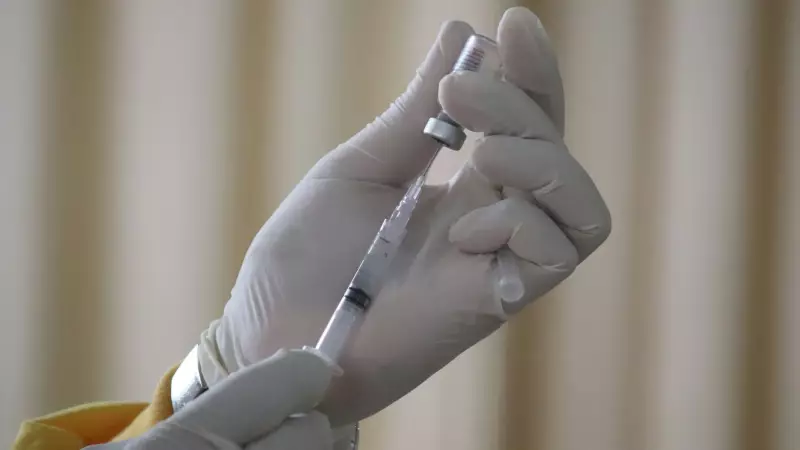
A crucial decision regarding the health of newborns in the United States is on the horizon. The Centers for Disease Control and Prevention's (CDC) Advisory Committee on Immunization Practices (ACIP) is set to vote on a pivotal recommendation. The proposal under consideration is to make the hepatitis B vaccine a universal requirement for all infants immediately after birth, regardless of their mother's known hepatitis B status.
The Current Policy and the Proposed Change
Currently, the CDC recommends the hepatitis B vaccine for all infants, but the timing of the first dose is conditional. Under existing guidelines, the first dose is administered at birth only if the mother is known to be hepatitis B surface antigen (HBsAg)-positive or if her status is unknown. For infants born to mothers with a confirmed negative HBsAg test, the first dose can be delayed until the age of one or two months.
The new proposal seeks to eliminate this condition. It advocates for a universal birth dose, meaning every newborn would receive the first shot of the hepatitis B vaccine within 24 hours of delivery. This shift aims to close potential gaps in prevention that can occur due to errors in maternal testing, reporting, or communication.

The ACIP meeting is scheduled for October 24-25, 2023, where the final vote on this universal recommendation will take place. If approved, the CDC director must then endorse the committee's decision for it to become official policy.
Why This Universal Dose is Critical
The push for a universal birth dose is rooted in a powerful public health goal: the complete elimination of mother-to-child transmission of hepatitis B in the United States. Hepatitis B is a serious liver infection that can become chronic, especially when contracted at a young age, leading to long-term health issues like cirrhosis and liver cancer.
Administering the first vaccine dose within 24 hours of birth is remarkably effective. It provides a critical safety net. This "birth dose" is 75% to 95% effective in preventing transmission from an infected mother to her baby. When combined with hepatitis B immune globulin (HBIG), the efficacy jumps to 85% to 95%.
Despite high overall childhood vaccination rates, coverage for the timely birth dose has lagged. Data indicates that only about 78% of newborns received the hepatitis B vaccine within three days of birth in 2022. The universal recommendation is designed to simplify the protocol for healthcare providers, remove any ambiguity, and ensure no infant misses this vital early protection due to systemic oversights.
Implications and Global Context
The adoption of a universal birth dose policy would represent a significant stride in the US's public health strategy. It aligns with longstanding recommendations from the World Health Organization (WHO), which has advocated for a birth dose of the hepatitis B vaccine since the 1990s. Many countries around the world already follow this universal approach.
For hospitals and healthcare providers, the change would standardize procedures. Every newborn would be treated with the same protocol, streamlining workflow and reducing the risk of missed vaccinations. For parents, it reinforces the importance of this early immunization as a non-negotiable standard of care for their child's long-term health.
The hepatitis B vaccine series is typically completed with two or three additional doses given over the first six to eighteen months of life. The proposed change affects only the timing of the very first dose, making it a universal and immediate intervention. Experts argue that this simple, uniform rule is the most reliable way to protect an entire generation from a preventable chronic disease and move the nation closer to eliminating hepatitis B transmission at birth entirely.