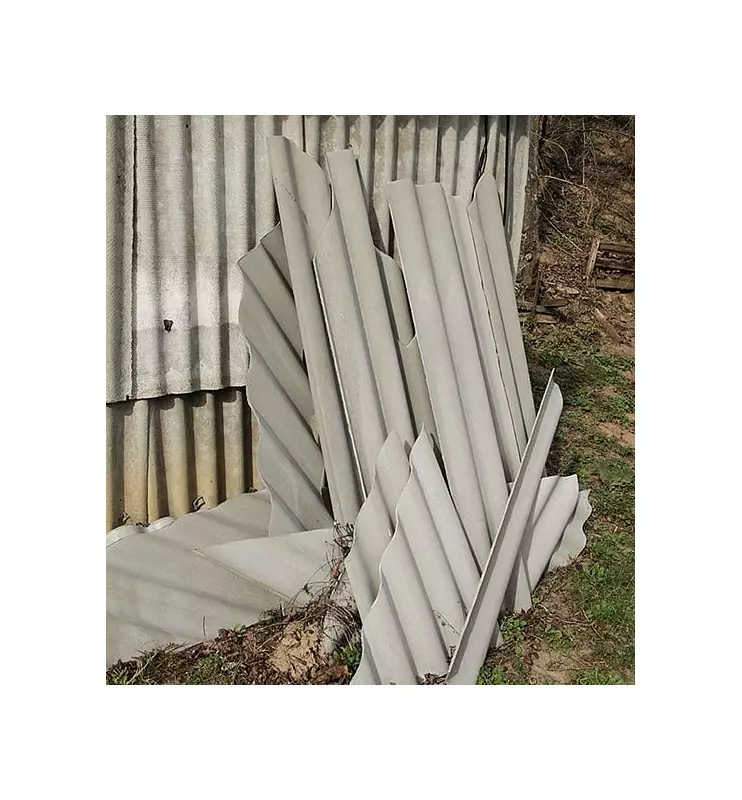
For many Indian families, renovating or demolishing an ancestral home is a step towards modern living. However, this exciting project can conceal a deadly hazard if not approached with caution. A critical safety step, often overlooked, is checking for asbestos before any demolition work begins in houses built before the early 2000s. Ignoring this can expose homeowners, workers, and neighbours to severe, life-threatening health risks.
The Invisible Danger in Our Walls and Roofs
Asbestos was once hailed as a "wonder material" for its fire resistance, durability, and insulation properties. Consequently, it found widespread use in the Indian construction industry for decades. It was commonly mixed into cement to create roofing sheets (often called "Asbestos Cement" or AC sheets), used for insulation, in water tanks, and in various forms of wall cladding. The turning point came when the direct link between asbestos fibres and fatal diseases became undeniable.
The material is safe only when intact and undisturbed. The grave danger emerges during demolition, renovation, or drilling. These activities can break apart asbestos-containing materials, releasing microscopic fibres into the air. Once inhaled, these fibres can lodge deep in the lungs and remain there permanently. This exposure is directly linked to aggressive cancers like mesothelioma and lung cancer, as well as other debilitating conditions such as asbestosis. The diseases often manifest decades after exposure, making early prevention absolutely critical.

Why a Pre-Demolition Asbestos Survey is Non-Negotiable
Given the silent nature of this threat, assuming an older building is asbestos-free is a dangerous gamble. The only responsible course of action is to conduct a professional pre-demolition asbestos survey and risk assessment. This is not merely a recommendation but a fundamental aspect of responsible construction and a legal requirement under various workplace safety regulations designed to protect workers.
A qualified and licensed asbestos surveyor will conduct a thorough inspection of the property. They will identify all materials suspected to contain asbestos and collect samples for analysis in an accredited laboratory. If asbestos is confirmed, the surveyor provides a detailed report outlining its type, location, condition, and, most importantly, a management plan. This plan dictates the necessary steps, which could range from careful removal by licensed contractors before demolition to, in some cases, managed containment.
Legal Duty and the Path to Safe Demolition
The responsibility for safety lies squarely with the property owner or the individual commissioning the demolition work. In India, guidelines from the Directorate General Factory Advice Service and Labour Institutes (DGFASLI) and rules under the Factories Act address the handling of hazardous substances like asbestos. Engaging unqualified workers for demolition without a survey can lead to legal liability if those workers or the public are exposed.
If asbestos is present, its removal is a highly specialized task. It must be handled by trained and equipped professionals who follow strict protocols: sealing the area, using protective gear, wetting materials to suppress dust, and carefully bagging and labelling the waste for disposal at authorized sites. Ordinary demolition crews are not equipped for this, and attempting a DIY removal is profoundly risky.
The core message is unequivocal: the cost and time invested in a pre-demolition asbestos check are insignificant compared to the human cost of neglecting it. It protects the health of your family, the workers on your site, and your community. Before you swing the hammer on that old house, make the asbestos survey your first and most important step. It is a decision that safeguards lives.