

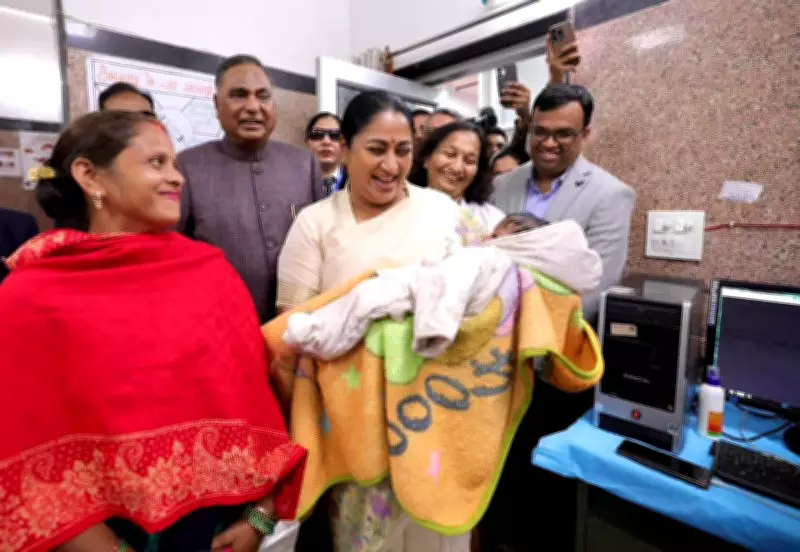
Delhi Expands Healthcare Network with 51 New Ayushman Arogya Mandirs
In a significant move to bolster primary healthcare services, the national capital of Delhi has recently inaugurated 51 additional Ayushman Arogya Mandirs. This expansion is part of the broader Ayushman Bharat scheme, a flagship initiative by the Government of India aimed at providing comprehensive and accessible healthcare to citizens across the country.
Enhancing Healthcare Accessibility in the Capital
The new Ayushman Arogya Mandirs are strategically located across various neighborhoods in Delhi, with the goal of bringing essential medical services closer to residents. These facilities are designed to offer a wide range of primary healthcare services, including preventive care, basic diagnostics, and treatment for common ailments. By increasing the number of such centers, authorities aim to reduce the burden on larger hospitals and ensure timely medical attention for the population.
Key features of the Ayushman Arogya Mandirs include:

- Free consultations with qualified medical professionals.
- Access to essential medicines and diagnostic tests at subsidized rates.
- Health education and awareness programs to promote preventive care.
- Integration with the Ayushman Bharat digital health ecosystem for seamless service delivery.
Impact on Public Health and Community Well-being
The addition of these 51 centers is expected to have a profound impact on public health in Delhi. With an estimated population of over 20 million, the city faces significant healthcare challenges, including overcrowded hospitals and limited access to primary care in underserved areas. The Ayushman Arogya Mandirs are poised to address these issues by providing a first point of contact for medical needs, thereby improving early detection and management of health conditions.
Officials have highlighted that this expansion aligns with the national objective of achieving universal health coverage. By focusing on preventive and primary care, the initiative aims to reduce healthcare costs for families and enhance overall community well-being. The centers will also play a crucial role in managing non-communicable diseases and maternal and child health services, contributing to better health outcomes in the long term.
Future Plans and Broader Implications
Looking ahead, the Delhi government has announced plans to further increase the number of Ayushman Arogya Mandirs in the coming years, with a target of covering all residential areas. This expansion is part of a larger strategy to strengthen the healthcare infrastructure in the capital, which includes upgrading existing facilities and integrating technology for efficient service delivery.
The success of this initiative in Delhi could serve as a model for other states and union territories across India, encouraging similar efforts to enhance primary healthcare access. As the Ayushman Bharat scheme continues to evolve, such expansions are critical to ensuring that every citizen has access to quality healthcare, regardless of their socioeconomic status.






