

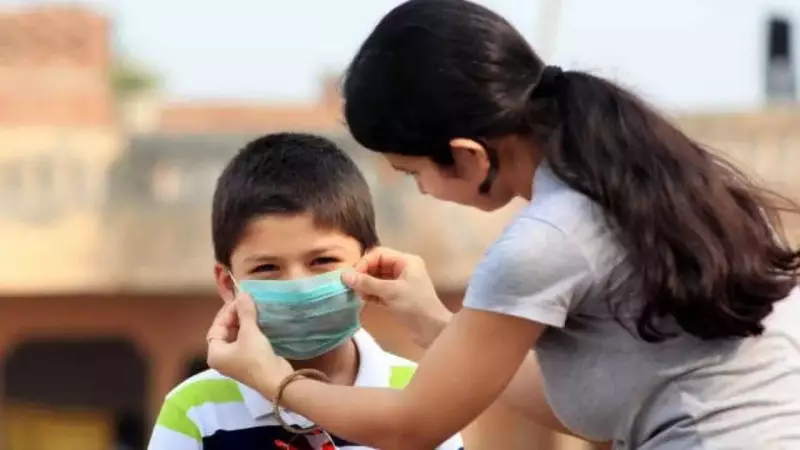
As the air quality in India's capital, Delhi, continues its alarming descent into the 'poor' and 'severe' categories, a growing wave of anxiety is sweeping through the city's households. Parents are increasingly worried about the invisible, yet potent, threats their children inhale with every breath. Medical experts underscore that children are among the most vulnerable groups during such pollution crises, primarily because their lungs are still developing and their immune systems are not fully fortified.
Recognizing the Warning Signs: Symptoms Every Parent Should Know
Doctors advise that vigilance is the first line of defence. Being aware of specific symptoms that may stem from pollution exposure can help in seeking timely medical intervention and preventing long-term damage.
Persistent Cough and Throat Irritation: One of the earliest and most common indicators is a nagging cough or a feeling of irritation in the throat. This is often triggered by pollutants like fine particulate matter (PM2.5) and nitrogen dioxide. Parents might notice their child frequently clearing their throat or complaining of a burning sensation, especially after being outdoors or during travel. If the cough persists indoors and seems to worsen at night, it warrants a doctor's consultation.

Breathing Difficulties and Wheezing: This set of symptoms demands immediate attention. Polluted air can cause inflammation and constriction of the airways, leading to shortness of breath, wheezing, and visible struggle while breathing. The situation is particularly dangerous for children with pre-existing conditions like asthma or allergies, as high AQI levels can trigger severe attacks. Look for signs such as tightness in chest muscles, flaring nostrils, and excessive effort to inhale.
The Broader Impact on Immunity and Cognition
Frequent Illness and Weakened Immunity: Consistently poor air quality doesn't just cause immediate symptoms; it erodes a child's natural defences. The harmful substances in smog weaken the immune system, making children more susceptible to recurrent viral infections, sinus issues, and common colds. Pediatricians note that during peak pollution periods, children often take longer to recover from illnesses, which can subtly hinder their overall growth and vitality.
Eye Irritation, Headaches, and Fatigue: Air pollution's assault isn't limited to the respiratory system. Children may develop red, itchy, or watery eyes. They might also frequently complain of headaches, dizziness, and an unusual sense of tiredness or exhaustion. This fatigue occurs because polluted air reduces the efficiency of oxygen intake into the bloodstream. Consequently, a child may feel drained even without engaging in strenuous physical activity.
Behavioural Shifts and Concentration Problems: Emerging studies point to a concerning link between air pollution and cognitive function in children. Exposure can lead to noticeable behavioural changes, including increased irritability, restlessness, and an inability to concentrate on studies. This is attributed to reduced oxygen flow to the brain due to systemic inflammation. Such changes call for patience and understanding from both parents and teachers.
How to Shield Your Child on High Pollution Days
With Delhi grappling with another severe smog episode, proactive protection becomes paramount. Experts recommend minimizing outdoor exposure, especially during early morning and late evening hours when pollution peaks. Investing in good-quality air purifiers for indoor spaces is highly advised. Encouraging children to stay hydrated and eat a diet rich in antioxidants can help bolster their internal defences. For unavoidable outdoor trips, well-fitted masks for children can provide a layer of protection. The most crucial step, however, is to seek professional medical advice if any symptoms persist or worsen, to avert potential long-term health complications. In this ongoing battle against toxic air, awareness and prompt action are a child's strongest shield.






