

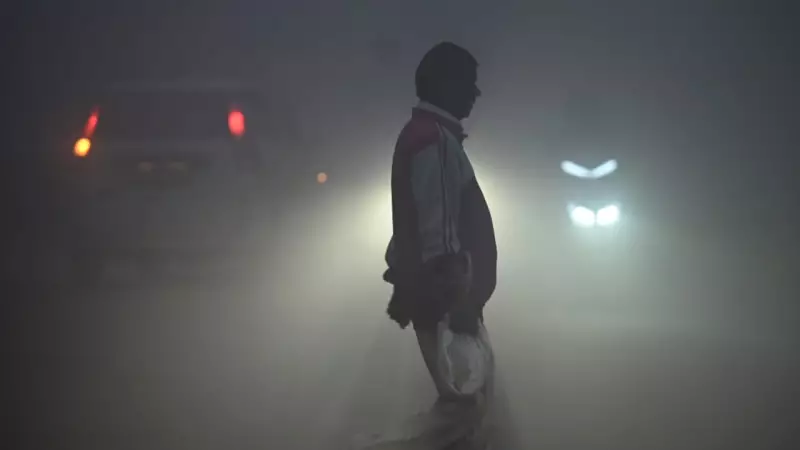
Delhi residents woke up to another hazardous morning on Tuesday, December 16, 2025, as a thick blanket of smog and fog engulfed the capital, severely reducing visibility and worsening the already critical air pollution levels. The city's overall Air Quality Index (AQI) was recorded at 377, a slight improvement from the previous day's 498, but still firmly in the 'very poor' category, with several areas breaching into the 'severe' zone.
Localized Severe Pollution and Health Risks
Out of the 40 air monitoring stations across the city, 11 stations reported 'severe' air quality levels. The worst-hit areas included Jahangirpuri, Mundka, and Wazirpur, where AQI readings soared as high as 426. This localized spike in pollution poses significant health threats, particularly for vulnerable groups such as children, the elderly, and individuals with pre-existing respiratory or cardiac conditions.
Health experts have issued urgent advisories, urging citizens to minimize outdoor activities, especially during the early morning hours when pollutant concentration is at its peak. The recommendations include wearing N95 or equivalent masks when outside, using air purifiers indoors, and avoiding strenuous exercise in the open. The combination of dense fog and toxic smog traps harmful particulate matter closer to the ground, exacerbating inhalation risks.

Travel Chaos and Official Advisories
The dense winter fog, coupled with poor air quality, has significantly disrupted transportation networks. Road commuters faced dangerous driving conditions and slower travel times due to drastically reduced visibility. Authorities have advised drivers to use fog lights and exercise extreme caution.
The impact was acutely felt in air travel. Indira Gandhi International (IGI) Airport and IndiGo Airlines issued separate advisories to passengers warning of possible delays and disruptions. IndiGo's advisory specifically cited early morning fog across Northern India as the cause for potential schedule changes. Passengers are strongly advised to check their flight status online before heading to the airport and to plan their journeys with considerable extra time to accommodate operational adjustments.
GRAP-4 Restrictions Activated
In response to the persistent 'severe' air quality in several zones, authorities have enforced Stage 4 of the Graded Response Action Plan (GRAP). GRAP-4 represents the highest level of emergency measures, which include restrictions on the entry of trucks into Delhi, a ban on construction activities, and the possibility of implementing odd-even vehicle rationing schemes. Drone footage captured by news agencies revealed the extent of the dense haze shrouding the city's landmarks, visually underscoring the need for stringent action.
Navigating the Polluted Days Ahead
While the slight dip in the overall AQI offers a glimmer of relief, the situation remains grave. The primary culprit for the annual winter smog is a combination of meteorological factors like low wind speed and temperature inversion, which trap pollutants from local sources such as vehicle emissions, construction dust, and industrial activity, alongside agricultural stubble burning from neighboring states.
Officials and environmental bodies continue to monitor the situation closely. Citizens are encouraged to stay updated with real-time AQI readings and strictly follow all official health and travel guidelines. The collective adherence to restrictions and personal precautionary measures is crucial to navigating this period of heightened environmental health risk.






