Residents of India's national capital continue to grapple with a severe air pollution crisis, with the city's air quality index (AQI) firmly lodged in the 'very poor' category on Monday morning. The alarming situation has triggered the highest level of anti-pollution measures under the Graded Response Action Plan (GRAP).
Severe Readings and Widespread 'Very Poor' Air
According to data from the Central Pollution Control Board (CPCB), the overall AQI for Delhi was recorded at 366 on 22 December. A closer look at the city's monitoring network reveals an even grimmer picture. Data from the CPCB's Sameer app at 8:05 AM showed that 7 out of 39 stations reported air quality in the 'severe' category.
The worst-affected area was Narela, which registered a hazardous AQI of 418. Six other stations recorded readings between 401 and 408, all falling within the 'severe' band. The remaining stations across the city reported 'very poor' air quality levels, indicating a widespread public health challenge.

GRAP-IV Restrictions and Weather Warnings
In response to the deteriorating and stagnant air, the Commission for Air Quality Management (CAQM) has invoked all measures under GRAP Stage-IV across the entire Delhi-NCR region. The stringent restrictions include:
- A ban on non-essential construction activities.
- Restrictions on the entry of certain diesel-powered vehicles.
- Enhanced enforcement to curb pollution from various sources.
Compounding the pollution problem, the India Meteorological Department (IMD) issued a yellow alert for Monday, forecasting moderate fog. The maximum temperature is expected to hover between 20-22 degrees Celsius, while the minimum may dip to 8-10 degrees Celsius.
Flight Disruptions and Mounting Health Concerns
The dense fog has severely impacted air travel. On Sunday, over 105 flights were cancelled at Delhi's Indira Gandhi International Airport—55 arrivals and 52 departures. A PTI report stated that more than 450 flights were delayed on 22 December. The airport authorities have implemented Low Visibility Procedures and issued advisories to passengers.
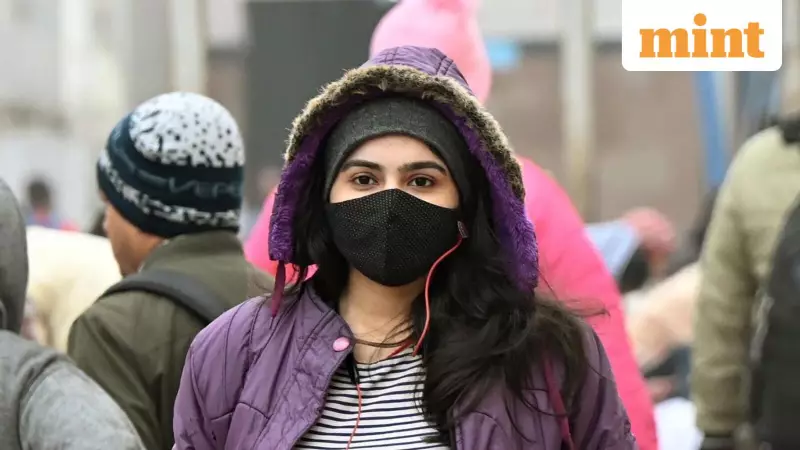
The toxic smog enveloping the city, visible in visuals from areas like ITO, is taking a significant toll on public health. Dr. S. Chatterjee, an Internal Medicine Specialist, highlighted the direct impact in an interview with ANI.
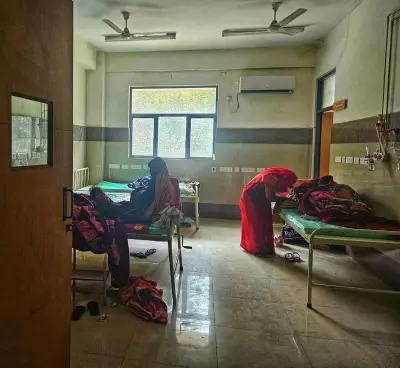
"The number of patients reporting to hospitals and clinics... has really substantially increased," Dr. Chatterjee said. He listed common symptoms including runny nose, sneezing, cough, breathlessness, increased asthma attacks, and bronchitis. Patients with underlying lung diseases are particularly vulnerable.
Attributing the spike in seasonal illnesses to the abysmal air quality, the doctor noted that the body's natural ability to cope with seasonal change is being overwhelmed. "The people of the city and the government must act in unison to control pollution," he urged, emphasizing the need for collective action to address the ongoing environmental and health emergency.