
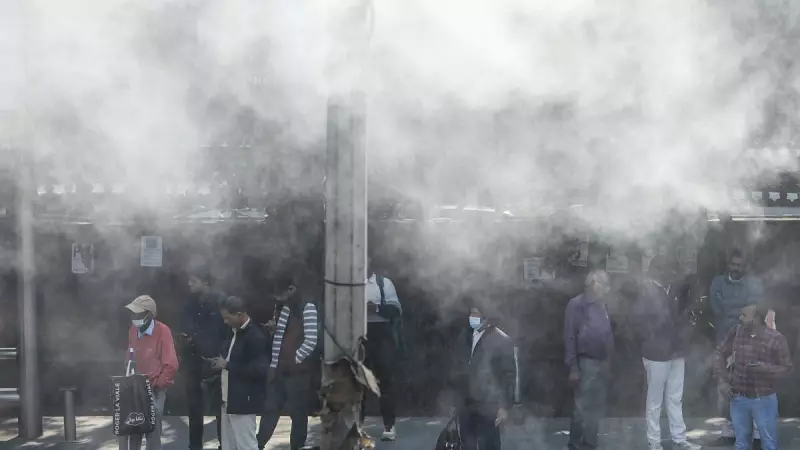
The national capital's battle with pollution has taken a turn for the worse, as Delhi's air quality slipped back into the 'very poor' category on Friday. The Air Quality Index (AQI) was recorded at a concerning 310, indicating hazardous conditions for residents.
Grim Forecast from Official Monitoring System
According to the government's Air Quality Early Warning System (AQEWS), the situation is not expected to improve anytime soon. The forecasting body has indicated that the air quality is likely to remain in the 'very poor' category for the next six days. This prediction, issued on 26 December 2025, dashes hopes of immediate respite and suggests a prolonged period of unhealthy air.
Understanding the 'Very Poor' AQI Category
An AQI reading between 301 and 400 is classified as 'very poor'. At this level, the air pollution can lead to:
- Respiratory illness on prolonged exposure.
- Significant discomfort for people with lung and heart diseases.
- Reduced visibility and a general haze over the city.
The current reading of 310 firmly places Delhi in this dangerous bracket, prompting health advisories for vulnerable groups.
No Immediate Relief in Sight
The forecast from AQEWS is clear: Delhiites must brace for continued poor air for nearly a week. This persistent pollution episode underscores the chronic nature of the city's winter air quality crisis. The lack of favourable meteorological conditions, such as wind speed and temperature, is a key factor preventing the dispersion of pollutants.
Authorities and environmental agencies are closely monitoring the situation. The prolonged 'very poor' forecast highlights the need for stringent implementation of existing pollution control measures and heightened public awareness regarding health precautions during this period.