

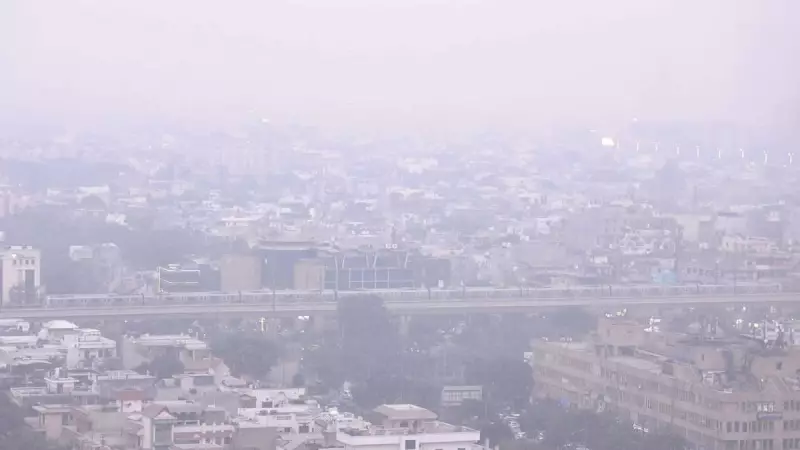
The Delhi government has taken a decisive step to confront the capital's escalating air pollution crisis by forming a high-level expert group. This urgent move comes as the city and the wider National Capital Region (NCR) grapple with dangerously high levels of air pollution, posing a severe public health threat.
Constitution of the Expert Group
Chief Minister Arvind Kejriwal announced the formation of this specialized panel on Friday, December 6, 2024. The group is mandated to formulate both immediate and long-term strategies to mitigate the toxic air quality. Leading this critical initiative is Dr. Rekha Gupta, the Special Secretary of Environment and Forest. The team comprises senior officials from key departments, including environment, transport, power, and the Delhi Pollution Control Committee (DPCC).
Their primary task is to analyze the current situation, identify major pollution sources, and recommend actionable measures. The government has directed the group to submit a comprehensive report with its findings and proposed solutions promptly.

The Deepening Health Emergency
The decision to assemble this expert body was driven by a sharp deterioration in air quality across Delhi-NCR. For several consecutive days, the Air Quality Index (AQI) has remained in the 'severe' and 'very poor' categories, with certain monitoring stations recording exceptionally hazardous readings. This persistent smog blanket has triggered a widespread health crisis.
Hospitals and clinics are reporting a significant surge in patients suffering from pollution-related ailments. Common complaints include:
- Severe respiratory distress and aggravated asthma
- Persistent coughing and throat irritation
- Eye infections and burning sensations
- Increased risk of cardiovascular problems
Medical professionals have issued warnings, especially for vulnerable groups such as children, the elderly, and individuals with pre-existing health conditions, advising them to limit outdoor exposure.
Immediate Context and Broader NCR Impact
The pollution crisis is not confined to Delhi's boundaries. Neighboring cities in the NCR, including Noida, Ghaziabad, Gurugram, and Faridabad, are also experiencing similarly hazardous air quality. This regional nature of the problem underscores the need for coordinated action across state lines, a challenge the new expert group will likely have to address.
The current episode has been attributed to a confluence of factors. While annual culprits like vehicular emissions, industrial pollution, and dust from construction sites remain perennial issues, the winter season introduces additional complications. Calm winds and low temperatures trap pollutants close to the ground, preventing their dispersion. Furthermore, the practice of stubble burning in neighboring states, though potentially reduced, continues to contribute to the toxic mix, with wind patterns carrying the smoke towards the capital.
The Delhi government's move to form an expert group signals a shift towards seeking structured, scientific, and sustained interventions beyond emergency measures like the Graded Response Action Plan (GRAP). The success of this initiative will depend on the implementation of its recommendations and the collaboration between various government agencies and neighboring states.
The coming weeks will be a critical test for this new panel as it works to provide a clear roadmap for Delhi and its residents to breathe easier.






