

As a dense, toxic haze once again descends upon the national capital, residents of Delhi are grappling with a severe public health emergency. The Air Quality Index (AQI) has plummeted to hazardous levels, pushing the city into the 'severe' category and raising alarms among medical professionals and citizens alike. This recurring annual crisis necessitates immediate and informed action to mitigate the severe health impacts of breathing poisoned air.
Building Your Personal AQI Survival Kit
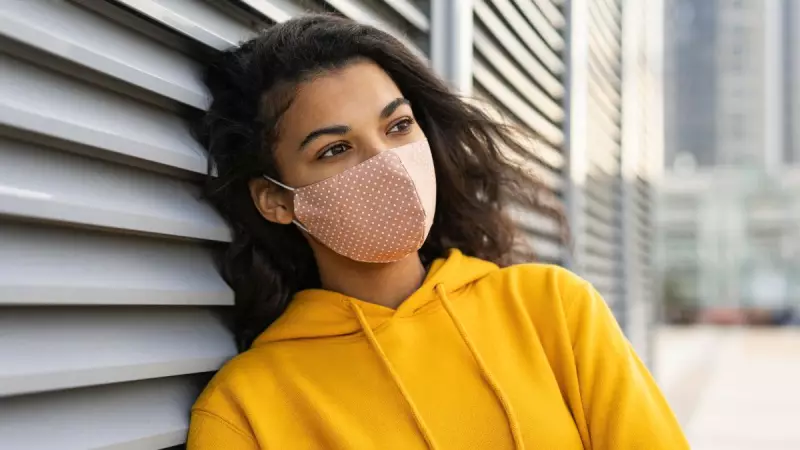
Confronted with the visible and palpable pollution, experts strongly advise every Delhiite to assemble a personal 'AQI survival kit'. This isn't about panic but about practical, evidence-based preparedness. The cornerstone of this kit is a high-quality N95 or N99 respirator mask. Cloth masks and surgical masks offer minimal protection against the fine particulate matter (PM2.5) that penetrates deep into the lungs and bloodstream. Wearing a well-fitted N95 mask outdoors is non-negotiable during severe pollution days.
Another critical component is a certified air purifier for your home, especially in bedrooms and living areas where you spend most of your time. Ensure it has a true HEPA filter capable of trapping PM2.5 particles. Creating clean air zones indoors is vital for respite and recovery. Furthermore, sealing windows with weather stripping and using damp cloths to dust surfaces can prevent outdoor pollutants from settling inside your sanctuary.

Essential Health Tips to Combat Pollution's Impact
Beyond physical tools, adapting daily habits is crucial for resilience. Medical authorities emphasize strictly avoiding outdoor morning and evening walks when pollution levels peak. Opt for indoor exercises like yoga, stretching, or using a treadmill in a well-ventilated room. Hydration plays a key role; drinking plenty of water and fluids like herbal teas helps the body flush out toxins. Nutritionists recommend incorporating a diet rich in Vitamin C, Omega-3 fatty acids, and antioxidants.
Foods such as jaggery (gur), turmeric, ginger, spinach, walnuts, and amla can help boost immunity and combat inflammation caused by pollutants. It is also advised to avoid smoking and exposure to secondary smoke, which compounds the damage. For those with pre-existing respiratory conditions like asthma or COPD, it is imperative to keep medications and inhalers readily accessible and consult with a doctor for a tailored action plan.
Long-Term Vigilance and Community Action
While individual measures are essential, experts stress that this survival kit mentality must be coupled with awareness and advocacy. Regularly monitoring the AQI through reliable apps or websites should become a daily ritual, much like checking the weather. This data informs decisions about venturing out, opening windows, or planning children's activities. Schools should consider modifying outdoor schedules and installing air purifiers in classrooms.
The long-term consequences of sustained exposure to such poor air quality are severe, including increased risks of stroke, heart disease, lung cancer, and chronic respiratory diseases. The current crisis in Delhi, with an AQI consistently in the 'severe' range, is a stark reminder that while individual protection is a necessary shield, collective demand for systemic change—cleaner energy, sustainable transport, and stringent industrial controls—remains the ultimate solution. For now, equipping oneself with knowledge and the right tools is the most practical step towards survival in the polluted haze.






