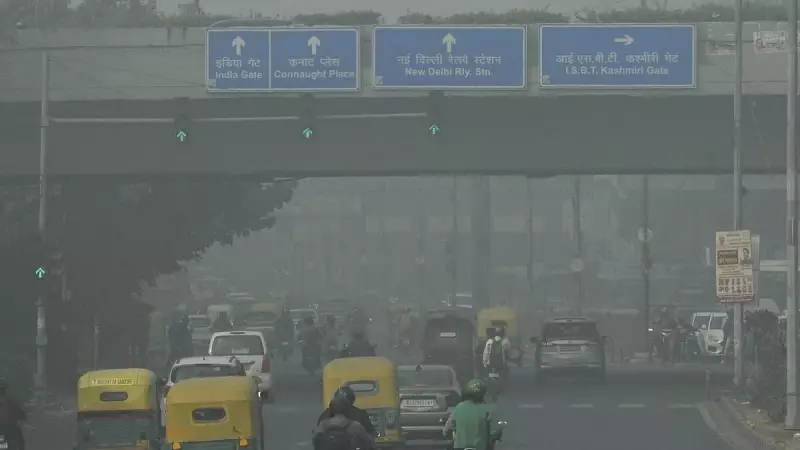
In a direct response to the capital's deteriorating air quality, the Delhi government has observed a marked decrease in traffic congestion on the city's roads. This change comes after the enforcement of the stringent Stage IV measures of the Graded Response Action Plan (GRAP).
Government Monitors Pollution Control Impact
On Thursday, 19 December 2025, the Delhi administration conducted a detailed review to gauge the effectiveness of the newly implemented pollution curbs. An official statement confirmed that this comprehensive monitoring exercise was aimed at assessing the on-ground impact of the strict measures designed to control toxic air levels.
GRAP-4 Measures Take Effect
The imposition of GRAP-4, the highest alert level under the anti-pollution plan, triggers several emergency actions. These include restrictions on the entry of trucks into the city, a ban on diesel-operated medium and heavy goods vehicles, and the possibility of allowing only CNG, electric, or BS-VI compliant vehicles on the roads. The government's latest assessment indicates that these steps are beginning to influence commuting patterns.

The official statement highlighted a "noticeable reduction in vehicular movement," suggesting that the restrictions are altering daily travel and potentially reducing emission sources. This monitoring effort is crucial for the government to decide whether to continue, intensify, or relax the current measures based on real-time data.
Looking Ahead: Air Quality and Public Response
The primary goal of GRAP-4 is to bring down the concentration of hazardous particulate matter in the atmosphere. While reduced traffic is an early positive sign, the full effect on Delhi's air pollution levels will be closely watched in the coming days. The success of these measures heavily relies on public adherence and the cooperation of various implementing agencies.
The government's proactive monitoring on December 19th underscores its commitment to tackling the annual air quality crisis. The findings from this exercise will likely inform future policy decisions and emergency responses to safeguard public health in the national capital.