In the heart of India's capital, the men and women managing Delhi's chaotic traffic face a relentless dual assault: toxic vehicular fumes and the piercing winter cold. For these officers, the job is a daily test of endurance against environmental hazards.
A Day in the Life at Tughlaq Road Circle
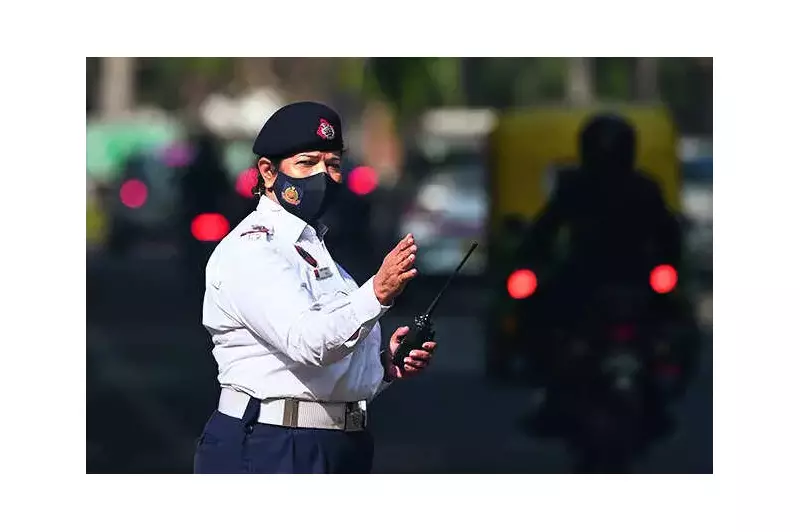
Sub-Inspector Sarita Shukla, with over three decades of service in the Delhi Police, is currently posted at one of Lutyens' Delhi's busiest intersections—the Tughlaq Road Circle near the Indira Gandhi Memorial area. This zone, characterized by roundabouts, wide arterial roads, and frequent VIP movement, demands constant vigilance. Her day starts before dawn. To report for her 7 am shift, she leaves her Dwarka home around 5:45 am. Given the reduced visibility during foggy winter mornings, she has recently switched to taking the metro for her commute.
The nature of her duty means prolonged exposure to pollutants from petrol and diesel vehicles, along with dust and dirt. Recognizing this health risk, the Delhi Police has issued masks to its traffic personnel to reduce the amount of polluted air they inhale. To combat the cold, officers are provided with woollen jackets. For safety during the dark, foggy mornings, they rely on fluorescent jackets and light bars.

Health Measures and Personal Battles
With falling temperatures increasing vulnerability to infections, the force has also distributed sanitisers and issued an advisory stressing regular handwashing and strict adherence to safety protocols. Shukla adopts her own remedies, drinking hot water throughout the day and encouraging her team to consume various kinds of tea to protect their throats.
"We can protect our noses and throats with masks and such measures, but our eyes still get irritated and watery because of dust," Shukla revealed. She noted that water sprinklers on roads offer some relief by settling the airborne dirt. Some of these protective measures, she added, are painful reminders of the recent pandemic era.
Age is a significant factor for respiratory health, especially for personnel who have spent decades on field duty. Shukla and her colleagues consciously stay active, with regular walks and constant movement during their shifts to keep their lungs functioning. Home remedies like ginger and clove help soothe throat irritation after long hours in the polluted air.
Motivation Beyond the Hazards
As a woman officer, Shukla finds her presence offers reassurance to female commuters, who often feel more comfortable approaching her. "There are six-seven women officers stationed during every shift. We all want to take care of people," she stated. Despite the worsening pollution and cold, it is this trust from the public and her innate desire to help that keeps her motivated.
At the end of her shift, Shukla returns home to her children, who are proud of their mother's role. "They tell people that their mother works with the traffic police and teach others how to take care of themselves and manage on the roads in such conditions," she shared. She uses this influence to spread awareness about road safety. Shukla also credits her husband for being a constant pillar of support after her demanding days on duty.
The story of Sub-Inspector Sarita Shukla underscores the silent, everyday resilience of Delhi's traffic police, who stand as the first line of defense against urban chaos while battling the city's environmental challenges head-on.