Delhi faces a critical and persistent healthcare emergency, driven by its toxic air and a severe shortage of medical professionals, according to eminent pulmonologist and former AIIMS director, Dr Randeep Guleria. The city must pivot decisively in 2026 from a treatment-focused model to one built on prevention, early detection, and environmental action to safeguard public health.
The Twin Challenges: Poisonous Air and Empty Hospitals
For the past two months, public discourse has been dominated by the city's hazardous air quality. The annual smog, school closures, and emergency advisories are no longer just a winter phenomenon but a year-round public health threat, constituting Delhi's foremost healthcare challenge. Dr Guleria emphasised that poor air quality on most days fuels a surge in respiratory illnesses, cardiovascular diseases, and other pollution-linked conditions.
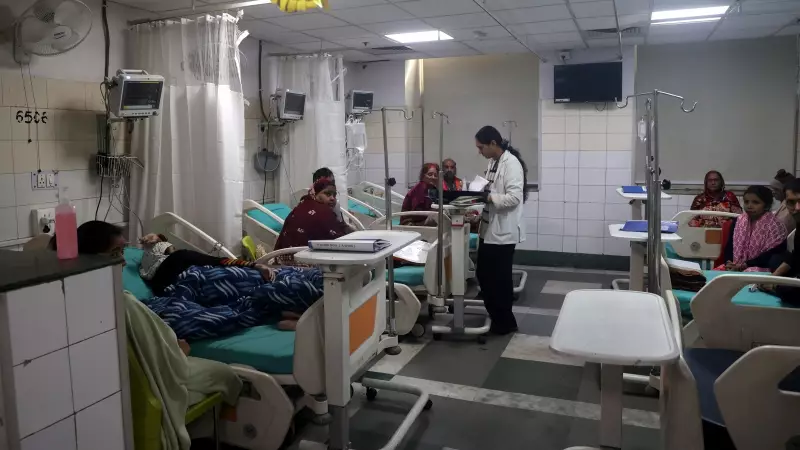
The second major hurdle is a crippling lack of key human resources. "There are hospitals with buildings in place, but without enough radiologists, specialists, or trained staff, so they cannot function at optimal capacity," Dr Guleria stated. This shortage undermines the entire healthcare system's ability to respond.
The 2026 Roadmap: Prevention Over Cure
Speaking on the necessary way forward, Dr Guleria argued that the solution begins outside hospital walls. "Clean air, safe drinking water, and accessible public spaces for physical activity are as important as medical treatment," he said. A core component of this preventive strategy must be aggressive and accessible screening for non-communicable diseases (NCDs) like diabetes, hypertension, chronic respiratory illnesses, and cancer, which are rampant in urban populations, especially among the economically weaker sections.
"Preventive health is not just about awareness but also about access," he noted, advocating for widespread screening camps. This approach is vital for early detection and timely intervention.
Strengthening the Foundation and Caring for Seniors
Dr Guleria also addressed the structural flaw of overcrowded tertiary hospitals, where patients with minor ailments wait for hours. The solution lies in revamping and strengthening primary healthcare centres, ensuring they act as effective first points of contact, with referrals to higher facilities only when necessary.
With Delhi's elderly population rising, hospitals need to become more senior-friendly through easier access, shorter wait times, and better mobility support. Dr Guleria also championed innovative outreach and home-based care models. "We need systems that take care of people, and not always expect people to come to hospitals," he concluded, outlining a vision for a more humane and proactive healthcare system for the capital.