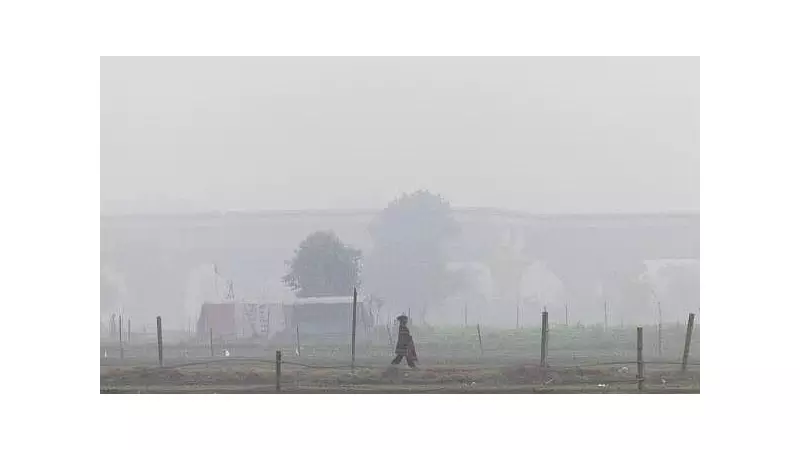
The air in Delhi has once again transformed into a thick, toxic blanket, posing a question that cuts to the very core of governance and survival. This is not merely an environmental issue; it is a profound challenge to the Indian State's capacity to protect the most fundamental condition of life: the act of breathing. As the capital gasps, the Republic's breath seems diminished, prompting urgent introspection about priorities and protections.
The Unsettling Question from Delhi's Skies
The situation unfolding in the national capital is simple in its horror and unsettling in its implications. Each winter, the air quality index (AQI) plunges to hazardous levels, turning the city into a gas chamber. The question it asks of the authorities and the system is stark: can the machinery of the state still guarantee the basic biological necessity of clean air? When citizens must think twice before inhaling, the social contract itself feels frayed. The crisis underscores a failure in coordinating action across jurisdictions and implementing long-term solutions beyond temporary fixes.
A Chronicle of Diminished Breath
The article, penned by Ashutosh Kumar Thakur and last updated on 18 December 2025, at 19:32 IST, frames this environmental catastrophe as a panoramic failure. It moves the discourse beyond statistics of particulate matter (PM2.5 and PM10) to the philosophy of state responsibility. The 'diminished breath' is both a literal description of the health impacts—respiratory illnesses, cardiovascular problems, reduced life expectancy—and a metaphor for a republic whose promise is stifled by its own polluted environment. The timeline of the crisis, recurring with predictable severity, points to a systemic inability to enact decisive, year-round policy measures.

Beyond Smog: Implications for Governance and Health
The consequences are multifaceted and severe. On the public health front, a silent emergency unfolds, affecting the most vulnerable: children, the elderly, and outdoor workers. Economically, productivity drops and healthcare costs soar. But the most significant impact is on the credibility of governance. When the air in the seat of power is unbreathable, it signals a paralysis in addressing complex, multi-source problems that require sustained effort. The article suggests that the solution lies not in blame games between different government tiers but in acknowledging this as a national priority demanding unprecedented collaboration, public transport revolution, agricultural reform, and industrial accountability.
In conclusion, Delhi's air is more than a seasonal nuisance; it is a bellwether for the nation's environmental and administrative health. The struggle for clean air is fundamentally a struggle for the state's relevance in securing the most elementary right to life. Without a clear, actionable, and enforced plan, the Republic's breath will remain labored, and its promise to its citizens, unfulfilled. The time for piecemeal measures is over; only a concerted war on pollution can restore the right to breathe freely.