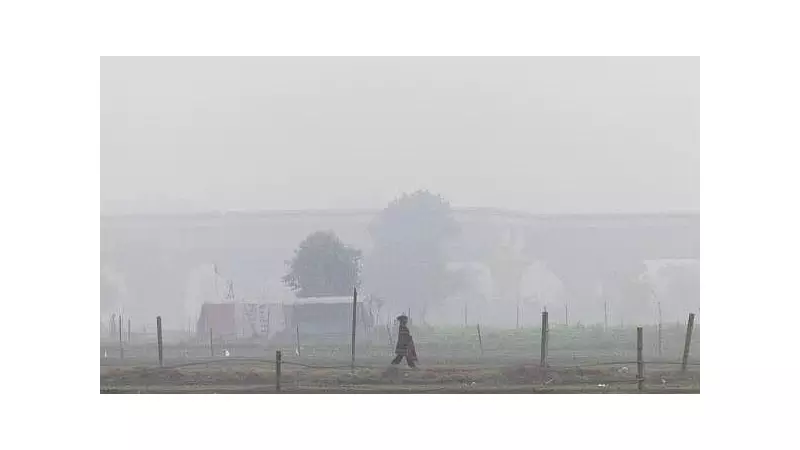
As the new year dawns, Delhi finds itself trapped in a grim and recurring reality. The capital's air has turned toxic once again, but the official response remains stuck in a cycle of ineffective short-term fixes and, at times, outright denial. This pattern of rising pollution met with weak policy is fast becoming Delhi's disturbing new normal.
A Cycle of Short-Term Fixes and Policy Paralysis
The situation, as highlighted in recent reports, is critical. Each spike in the Air Quality Index (AQI) triggers a now-familiar set of reactions: emergency meetings, the temporary halting of construction, and the possibility of odd-even vehicle rationing schemes. However, these are largely seen as band-aid solutions that fail to address the root causes of the pollution. Experts argue that there is a severe lack of a robust, long-term strategic plan to combat the complex mix of industrial emissions, vehicle exhaust, construction dust, and seasonal agricultural stubble burning that chokes the city.
More concerning is the occasional tendency to downplay the severity of the crisis. This denial, whether in public statements or in the delay of declaring health emergencies, undermines public trust and hampers decisive action. The date 01 January 2026 marks another point in this ongoing timeline where the city's residents are left to grapple with hazardous air while awaiting substantive policy shifts.
The Human and Economic Cost of Inaction
The consequences of this policy failure are severe and widespread. Prolonged exposure to polluted air leads to a surge in respiratory illnesses, cardiovascular problems, and other long-term health issues, putting immense pressure on the public healthcare system. Children and the elderly are particularly vulnerable. Beyond health, the toxic haze disrupts daily life, affecting visibility, cancelling outdoor events, and impacting the economy through lost workdays and reduced productivity.
The environmental damage is equally profound, affecting local ecosystems and contributing to the larger climate crisis. The normalization of this hazardous environment represents a significant failure in governance and public welfare, with the citizens of Delhi bearing the brunt of the cost.
The Path Forward: Beyond Emergency Measures
Breaking this cycle requires a fundamental shift in approach. The reliance on last-minute, temporary measures must be replaced by a comprehensive, year-round action plan. Key areas for sustained intervention include:
- Accelerating the transition to clean public transport and enforcing stricter emission norms for all vehicles.
- Investing in sustainable waste management and enforcing dust control norms at construction sites.
- Fostering genuine interstate collaboration to address the issue of crop residue burning, with support for farmers.
- Transparent, real-time data dissemination and clear public health advisories without minimization of risks.
The people of Delhi deserve more than just episodic concern. The need of the hour is for policymakers to move beyond denial and short-termism, acknowledging the scale of the crisis and implementing a strong, enforceable, and long-term roadmap for clean air. The health of millions and the future of the capital depend on this critical change.