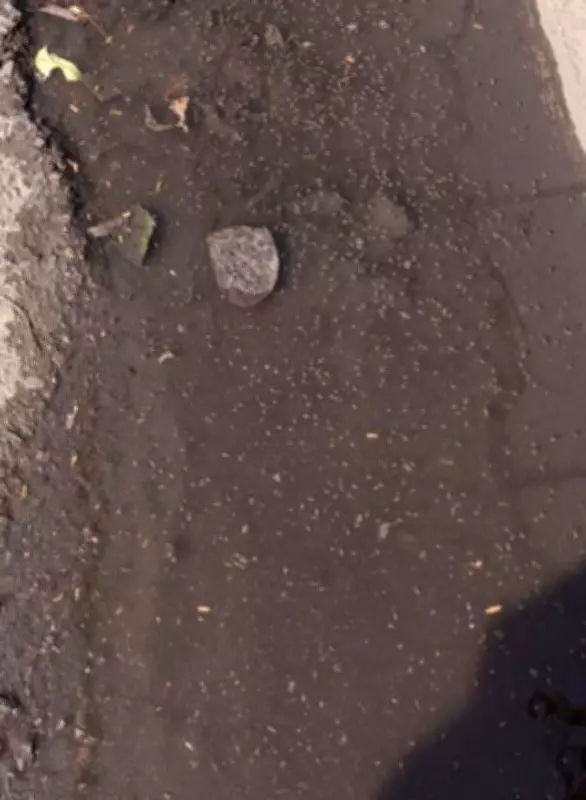
Barely days after the Health Department launched its anti-malaria campaign on June 2, stagnant puddles of water continue to mock official claims of preparedness. A startling example lies right outside the Municipal Corporation’s indoor stadium, where puddles of water have accumulated, with swarms of mosquito larvae. The sight has left residents questioning the seriousness of the drive, which was meant to pre-empt vector-borne diseases before the monsoon.
Irony of Cleanliness Drive
Ironically, the corporation is set to launch a massive cleanliness drive from Monday. Under the initiative, city areas will be divided into 10-km stretches, each assigned to an official responsible for ensuring cleanliness from rubble removal to clearing sewer blockages and garbage. The MC has promised accountability, with officers tasked to monitor hygiene in their respective zones.
Anti-Dengue Efforts and Ground Reality
The district administration had also launched an anti-dengue drive backed by 321 anti-larvae teams spreading awareness across the district. Between March 30 and May 31, the teams inspected over 5.5 lakh houses, finding dengue larvae in 57 homes. The administration had urged citizens to keep their surroundings clean, avoid stagnant water in coolers, tyres and containers and cooperate with the teams. Yet the reality on the ground tells another story.

Social activist Arvind Sharma, who has repeatedly flagged civic lapses, pointed to puddles of water outside the stadium. “It is the heart of the city and if mosquitoes are breeding in the area in the open, how people have faith in the campaign? It shows negligence under the nose of the MC,” he said.
Rajesh Kumar, a shopkeeper from Model Town, said: “We hear announcements about fines and inspections but when we step out, we see waterlogging and garbage. The gap between words and action is glaring.”
A homemaker, Sunita Rani, said: “Children play near such areas. We are scared every monsoon because dengue and malaria cases rise but the authorities seem to wake up only after hospitals start reporting malaria and dengue cases.”
But the juxtaposition of promises and present neglect has left citizens skeptical. “If the MC cannot keep its own stadium surroundings clean, how will it manage entire stretches of the city?” asked Sharma.
Health Experts Warn of Vector-Borne Diseases
Public health experts warn that vector-borne diseases thrive in such bad conditions. Clean water left stagnant in tanks or puddles is a breeding ground for the Aedes aegypti mosquito, the carrier of dengue. The Health Department’s own data underscores the risk, despite lakhs of inspections, larvae are still found in several homes.
Campaigns and drives must translate into visible action on the ground. For now, the stagnant water outside the stadium stands as a reminder that the war against malaria and dengue cannot be won with announcements alone.
Award-Winning Teacher Directs Film to Spread Awareness
A short film, titled ‘The Threat of Dengue’, written and directed by a state and national award-winning teacher, Karamjit Singh Grewal, was recently released by the Civil Surgeon, Ludhiana, Dr Ramandeep Kaur with performances by child artistes from Government High School, Kheri Jhameri. The film aims to raise awareness about dengue, a serious and potentially life-threatening disease, by making the public aware about its causes, symptoms and preventive measures.
Grewal emphasised that the purpose of the film was to empower citizens to protect themselves and their families by adopting simple yet effective practices such as avoiding stagnant water, maintaining cleanliness and seeking timely medical care. As an innovative public health initiative, ‘The Threat of Dengue’ highlights how creative storytelling can inspire communities to take preventive action and contribute to a healthier society.