In a remote tribal valley in Tamil Nadu, a revolutionary experiment in social medicine has transformed lives by moving healthcare 'backwards' into farms and livelihoods. The Sittilingi Tribal Health Initiative (THI), founded by a dedicated doctor couple, has shown that lasting health requires tackling the root causes of disease: debt, malnutrition, and unstable incomes.
From a Thatched Hut to a Health Revolution
The story began in 1993 when doctors Dr. Regi George and Dr. Lalitha Regi (affectionately called G and Tha) chose to work in Sittilingi, a secluded valley in Dharmapuri district. With nearly 17,000 tribal residents and the nearest town 80km away, formal healthcare was absent. Starting in a thatched mud hut, they trained local women as nurses and health workers.
That humble beginning grew into a 35-bed hospital with operating theatres, an ICU, maternity ward, and diagnostic facilities. The results speak volumes: infant mortality plummeted from 150 to about 8 per 1,000 live births, and no maternal deaths have been recorded in the valley for 20 years.

The Organic Turn: Healing Land and Livelihoods
During a six-month padayatra in 2003, the doctors discovered the grim reality behind the illnesses. Farmers were trapped in debt from buying chemical fertilisers, while traditional millet diets were replaced by free ration rice, leading to widespread malnutrition and anaemia. Debt-fueled migration brought back diseases like tuberculosis.
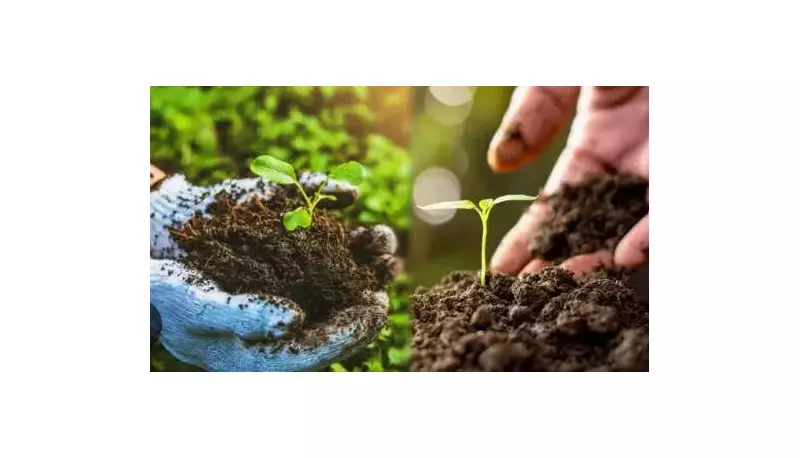
Seeing the clear link between poor health and failing farms, they initiated a shift to organic farming. In 2005, they persuaded four farmers to experiment. With guidance from organic farming pioneer G. Nammalvar, the movement grew. By 2008, they registered the Sittilingi Organic Farmers Association (SOFA) as a producer company.
Today, SOFA has 700 farmer members and a turnover of Rs 3 crore. The transition was tough, with yields dropping initially, but collective power brought change. "We were not in debt anymore," says Valarmati, wife of an early adopter. The collective provides low-interest loans and a processing centre, ensuring farmers get better prices than distant mandis.
Millets, Markets, and Women's Pride
SOFA established a solar-powered millet processing unit, ensuring farmers control post-harvest value. A key rule: farmers must keep part of their harvest for home consumption. This has revived nutritious millets in local diets. "Mothers do not buy branded nutritional drinks anymore," says Priya, a SOFA stock supervisor.
Parallelly, in 2006, Dr. Lalitha helped launch Porgai (meaning 'pride'), a women's stitching and embroidery collective. Today, it's a producer company with a turnover over Rs 1 crore, employing 60 women and exporting internationally, weaving cultural pride with economic self-reliance.
A Holistic Health Model for the Future
For THI, SOFA and Porgai are not side projects but core to a health strategy that treats poverty and poor food as diseases. Dr. Ravikumar Manoharan (Ravi anna), who now runs the hospital, notes a marked decline in diseases linked to under-nutrition, though lifestyle diseases like diabetes are a new challenge.
The model's success has empowered community governance, with a THI-trained nurse becoming panchayat president and improving local infrastructure. The story continues as THI builds a new hospital in the Kalrayan hills to serve 80,000 people, while SOFA and Porgai work to create more local opportunities, helping people stay rooted to their land and culture.