A combination of erratic weather patterns, high humidity, and deteriorating air quality has led to a significant increase in seasonal illnesses among residents of Bengaluru. Over the past few weeks, hospitals across the city have reported a sharp rise in cases of eye infections, severe allergies, and throat-related ailments affecting people of all ages.
Conjunctivitis Cases Spike, Schools Become Hotspots
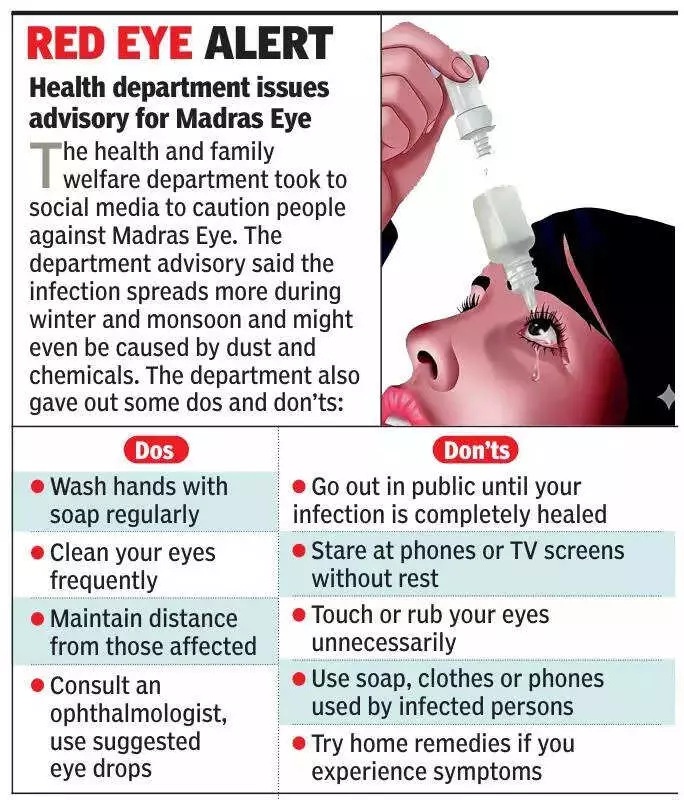
The most noticeable surge has been in cases of conjunctivitis, commonly known as Madras Eye. This condition, characterized by redness, swelling, itching, and watery discharge from the eyes, is spreading rapidly, especially among school children. Dr. Savitha Arun, Director and Medical Superintendent of Nethradhama Super Speciality Eye Hospital, stated that her facility is seeing an average of 15 to 20 conjunctivitis cases daily.
"The fluctuating weather has triggered more viral infections, and many patients with conjunctivitis are also showing flu-like symptoms," Dr. Arun explained. She emphasized the contagious nature of the infection, noting that schools often become centers for transmission. "Children are more vulnerable due to less stringent eye hygiene. To prevent rapid spread, parents should keep affected children at home," she advised.

The problem is not limited to infectious conjunctivitis. Doctors are observing an even steeper rise in allergic reactions. Dr. Naren Shetty, Head of Cataract and Refractive Lens Services at Narayana Nethralaya, reported that eye allergy cases have jumped by nearly 60%, while general conjunctivitis cases are up by at least 20% compared to the same period last year.
"Pollution levels in Bengaluru have risen drastically over the last four weeks," Dr. Shetty said. "This is directly leading to more complaints of dry eyes, excessive watering, and persistent irritation."
Throat Infections and Respiratory Ailments on the Rise
The same allergens and dust particles affecting eyes are also impacting respiratory health. There has been a marked increase in cases of sore throat, pharyngitis, tonsillitis, and rhinitis.
Dr. Divya Badanidiyur, Senior Consultant and Head of ENT at Sparsh Hospital on Infantry Road, clarified the link. "The combination of unpredictable temperatures and high air pollution acts as a strong irritant to the upper respiratory tract. This weakens local immunity, making individuals more susceptible to both viral and bacterial infections," she stated.
Echoing this concern, Dr. Sharath G, a Consultant ENT at TriLife Hospital, noted that the trend is more pronounced this year due to worsening air quality. "Construction dust and high pollen counts are further aggravating conditions like pharyngitis and tonsillitis," he added.
Doctors Recommend Simple Preventive Measures
In light of the surge, medical professionals are urging the public to adopt basic preventive steps to safeguard their health. They recommend a consistent approach to reduce exposure and boost immunity.
The key advice from doctors includes:
- Wearing protective masks when outdoors, especially in polluted or dusty areas.
- Avoiding early morning walks when dew levels are high, as moisture can trap pollutants and allergens.
- Maintaining good hydration by drinking plenty of fluids throughout the day.
- Practising steam inhalation to soothe the respiratory tract.
- Maintaining good personal hygiene, including frequent hand washing and avoiding touching the eyes with unclean hands.
The current health crisis in Bengaluru underscores the direct impact of environmental factors on public well-being. As the city grapples with changing weather and pollution, these preventive measures become crucial for residents to navigate the challenging season.