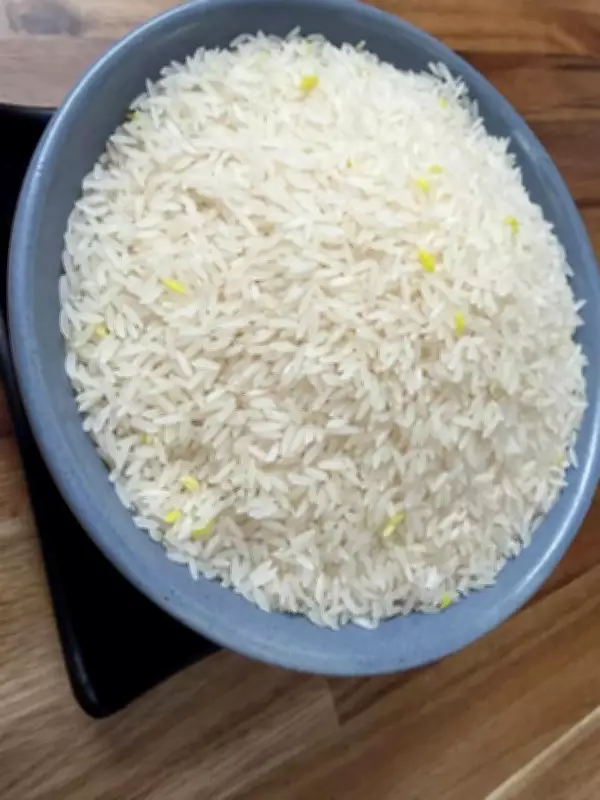
Bengaluru: Fortified rice, which is distributed through the public distribution system (PDS), has yet to gain widespread acceptance in the open market due to low consumer awareness and limited promotional efforts by manufacturers, as per experts.
Fortified Rice: A Solution to Nutrient Deficiencies
According to experts, fortified rice could be key to addressing widespread nutrient deficiencies in India. At a workshop titled ‘Advancing Fortified Rice in Karnataka’, they stressed the need to expand its availability beyond the PDS, noting that fortified grains remain uncommon across the state.
Government Support for Fortification
Health and family welfare minister Dinesh Gundu Rao stated on Wednesday that the state government is open to promoting fortified foods. “Grains like rice and wheat are increasingly being discouraged for being high-carb. Fortification is a way to ensure these grains remain healthy as they are part of our staple food and culture,” he said.

Scale of Micronutrient Deficiencies
Nutrition experts highlighted the magnitude of micronutrient deficiencies in India. Usharani Dandamudi, a scientist at the Central Food Technological Research Institute (CFTRI Mysuru), noted that iron, Vitamin B12, and folic acid deficiencies are widespread, contributing to issues such as low birth weight, infant mortality, and rising pre-diabetes cases. “Most water-soluble vitamins such as B1, B2, B3, B6 and minerals like zinc can be fortified in rice,” she said, adding that polishing removes much of rice’s nutritional value. While brown rice retains nutrients, convincing consumers to shift from polished rice remains difficult due to differences in taste and cooking properties.
Entrepreneurial Opportunities
Jambulingappa G Hosmani, director of fortified rice brand Panchamrutha, said entrepreneurs can set up fortified rice kernel (FRK) manufacturing units to supply rice mills. Launching Panchamrutha Deluxe fortified rice with nine essential vitamins and minerals, he emphasized that producing fortified rice “is not rocket science” and requires limited space along with technical know-how and compliance with Food Safety and Standards Authority of India (FSSAI) norms.
Current Production and Fortification Efforts
According to Abhishek Shukla of Millers for Nutrition (India), India produces around 109 million metric tonnes of rice annually, of which nearly 35 million metric tonnes is currently being fortified for distribution through the PDS. However, he noted that malnutrition and nutrient deficiencies are prevalent even among urban populations.
How Is Fortified Rice Made
Fortified rice is produced using extrusion technology, in which rice flour is blended with a micronutrient premix containing vitamins and minerals to create fortified rice kernels. These kernels are manufactured in an extruder machine using a screw barrel mechanism and are later blended with regular rice in a 1:100 ratio.