

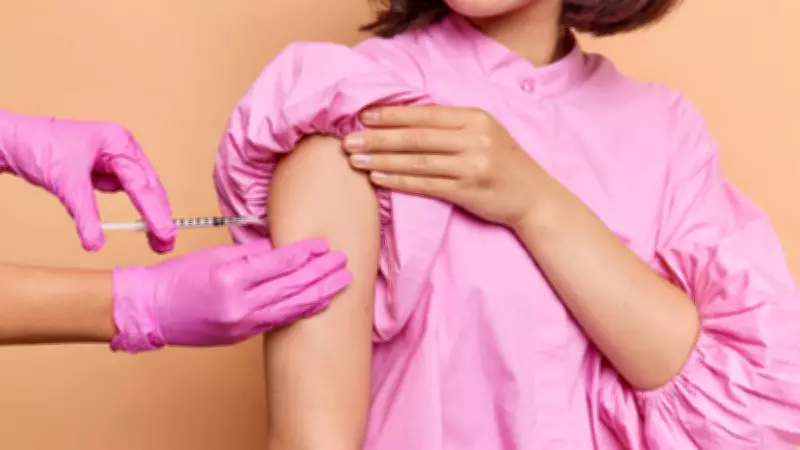
India Announces Free HPV Vaccination Program for Girls Nationwide
The Government of India has unveiled a landmark public health initiative, launching a free Human Papillomavirus (HPV) vaccination drive specifically targeting girls across the country. This ambitious program, set for a full-scale rollout by 2026, aims to provide the Gardasil vaccine at no cost to beneficiaries, marking a significant step in the nation's fight against cervical cancer.
Strategic Rollout and Implementation Timeline
Officials have confirmed that the preparatory phase for this massive vaccination campaign is already underway. The government plans to initiate pilot programs in select regions to streamline logistics and assess operational challenges before the nationwide launch. By 2026, the goal is to have the Gardasil vaccine—a globally recognized and effective immunization against HPV—available free of charge through public health centers, schools, and designated vaccination camps.
The primary objective is to immunize girls within the recommended age group, typically between 9 and 14 years, to maximize protection before potential exposure to the virus. Health authorities emphasize that early vaccination is crucial, as HPV is a leading cause of cervical cancer, which remains a major health concern for women in India.

Addressing Cervical Cancer Through Preventive Healthcare
This initiative represents a proactive shift in India's healthcare strategy, focusing on prevention rather than just treatment. Cervical cancer is one of the most common cancers among Indian women, with high incidence and mortality rates. By providing free access to the HPV vaccine, the government aims to reduce these numbers substantially over the coming decades.
Public health experts have welcomed the move, noting that vaccination, combined with existing screening programs, can dramatically lower the risk of cervical cancer. The program is expected to integrate with the National Health Mission, leveraging existing infrastructure to ensure wide reach, especially in rural and underserved areas where healthcare access is often limited.
Logistical Planning and Public Awareness Campaigns
Successful implementation will require robust logistical support, including vaccine storage, distribution networks, and trained healthcare personnel. The government is reportedly collaborating with international health organizations and vaccine manufacturers to secure adequate supplies of Gardasil and build capacity for the rollout.
Concurrently, public awareness campaigns will be launched to educate parents and communities about the importance of HPV vaccination. These efforts will focus on dispelling myths, addressing vaccine hesitancy, and encouraging participation to achieve high coverage rates.
Long-Term Impact and Future Prospects
If executed effectively, this free vaccination program could transform cervical cancer prevention in India. It aligns with global health goals and demonstrates a commitment to improving women's health outcomes. The 2026 timeline allows for thorough planning, but authorities are urged to maintain momentum to meet this target.
As preparations continue, this initiative stands as a testament to India's evolving public health priorities, potentially setting a precedent for other preventive measures in the future.






