

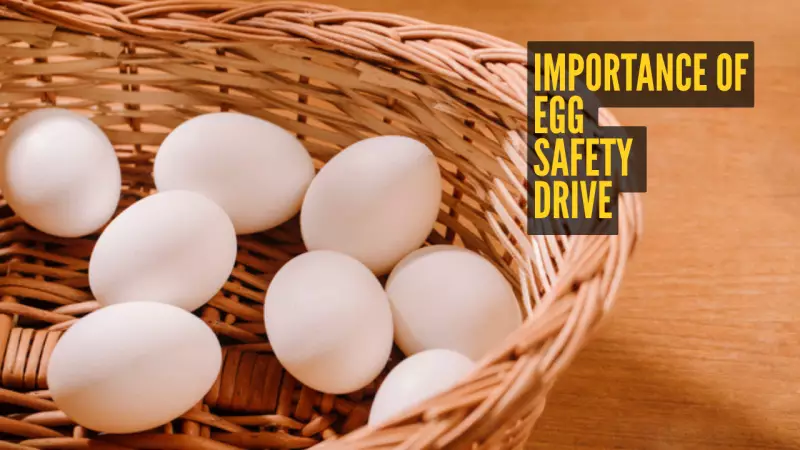
In a significant move to ensure food safety, India's apex food regulator, the Food Safety and Standards Authority of India (FSSAI), has initiated a comprehensive nationwide drive to check the quality and safety of eggs. This initiative comes in the wake of growing concerns over adulteration and the presence of banned substances in poultry products, a staple protein source for millions of Indians.
The Spark Behind the Nationwide Safety Checks
The drive gained urgency following a viral video and subsequent reports that raised alarms about a popular egg brand, Eggoz. The claims suggested the possible presence of traces of nitrofurans, a group of antibiotics banned in food-producing animals due to potential cancer risks. In response, FSSAI has directed its officers across the country to collect samples of both branded and unbranded eggs. These samples are being tested at 10 FSSAI laboratories nationwide to detect any adulteration or banned residues.
Understanding the Ban and the Company's Stance
The regulatory backdrop for this action is a decisive notification from the Ministry of Health & Family Welfare dated 12th March 2025 (S.O. 1158(E)). This notification, communicated via the Central Drugs Standard Control Organization (CDSCO), bans the import, manufacture, sale, distribution, and use of drug formulations containing Chloramphenicol or Nitrofurans in food-producing animal rearing systems with immediate effect. The goal is to shield public health from the risks of drug residues in animal-derived food.

In its defense, Eggoz has publicly shared lab reports from December 2025 on its official website. The company states that the tested samples were free from banned antibiotics, pesticides, and drugs, with results marked "BLQ" or Below the Limit of Quantification. "At Eggoz, the safety and trust of our consumers mean everything to us," the company affirmed in a statement.
Expert Opinion and Practical Tips for Consumers
Health experts have welcomed the drive but urge a broader scope. Orthopaedic Surgeon and Health Educator, Dr. Manan Vora, highlighted on Instagram that testing should also cover banned pesticides, toxic residues, heavy metals, and microbiological pathogens for a comprehensive safety assessment.
Meanwhile, FSSAI has also empowered consumers with a simple home test to check egg freshness. As demonstrated in an FSSAI YouTube video:
- Fill a container with water and gently place the egg inside.
- A fresh egg will sink and lie flat on its side at the bottom.
- A slightly older egg will sink but stand upright on one end.
- A rotten egg will float to the surface due to a larger air pocket formed as it ages.
This nationwide drive marks a critical step in bolstering consumer confidence and ensuring that the nutritious egg, enjoyed in forms from Masala Egg Bhurji to protein-packed boiled eggs, reaches plates without compromising on safety standards.






