

Goa's Persistent Leprosy Challenge: 68 New Cases Reported in 2024-25
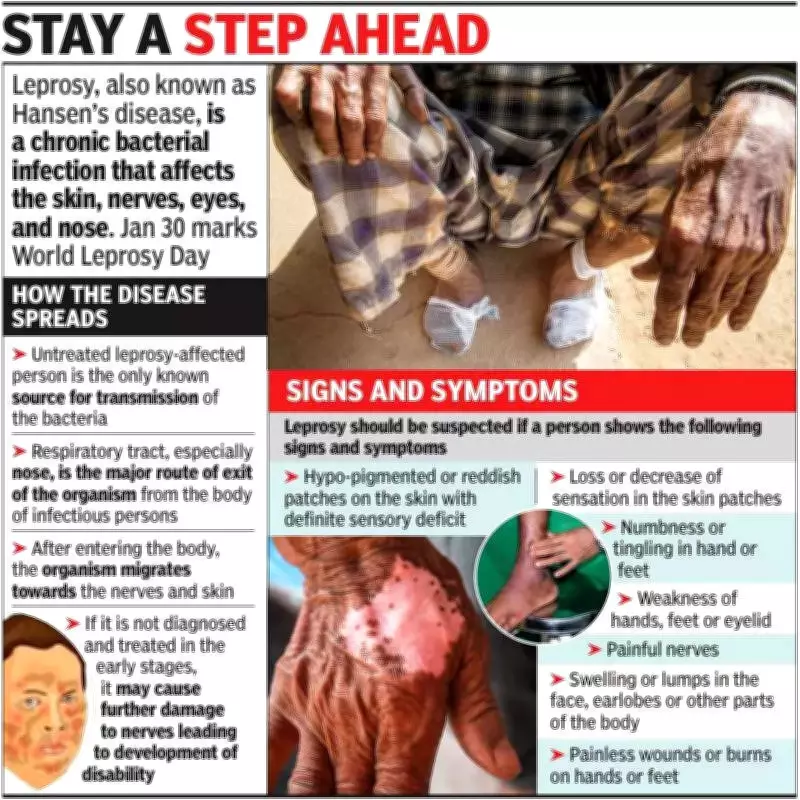
While leprosy cases in Goa have significantly declined compared to a decade or more ago, the state continues to face a steady stream of new infections. Over the past five years, health authorities have detected an average of 70 new cases annually of this chronic infectious disease, indicating a persistent public health concern.
Recent Statistics Highlight Migrant Population Vulnerability
In the 2024-25 period, Goa reported 68 new leprosy cases, according to official data. A detailed breakdown reveals that 49 cases (72%) were identified among the migrant population, while 19 cases (28%) affected local residents. More recently, between April and December 2025, health officials documented 46 new cases, with approximately 60% detected among migrants.
Dr. Cheryl de Souza, chief medical officer of the National Leprosy Eradication Programme at the Directorate of Health Services (DHS), commented on the situation. "The cases have more or less plateaued, but the number of cases we get is not the problem. These are immediately put on treatment and then cured. It is the hidden cases not reported due to stigma that are worrisome," she explained.

Current Treatment Status and Eradication Goals
Currently, Goa has 92 individuals undergoing treatment for leprosy. Dr. De Souza noted that a child diagnosed with the disease last year has successfully completed treatment and recovered. The state achieved the elimination threshold for leprosy back in 2006 and is now working toward complete eradication by 2027. This ambitious target requires ensuring zero transmission, zero disability, and zero discrimination related to the disease.
"Only once those with leprosy are treated will there be no transmission. The moment a person with leprosy is put on treatment, the person becomes non-infective and then gets cured," Dr. De Souza emphasized.
Comprehensive Public Health Response
When a new leprosy case is identified, health authorities implement contact tracing protocols. Eligible contacts receive post-exposure prophylaxis (PEP) to interrupt the chain of transmission. All diagnosed patients undergo multi-drug therapy treatment, which lasts between six months and one year. This treatment is not only available at primary health centers but also at sub-centers across the state.
"It is free and the person's identity is kept secret," Dr. De Souza assured, highlighting the confidential nature of the treatment program.
Challenges in Disease Eradication
Several factors complicate leprosy eradication efforts in Goa. The state's floating population presents significant challenges for consistent monitoring and treatment. Additionally, the disease has a long incubation period that can extend up to 20 years or more, making early detection difficult.
Dr. De Souza addressed the social dimensions of the disease, stating, "We do not want anyone to be ostracized and stigmatized. Leprosy can affect anyone and it is not only those from the lower socio-economic sector who get the disease." Her remarks underscore the importance of combating stigma while pursuing medical solutions to this age-old health challenge.






