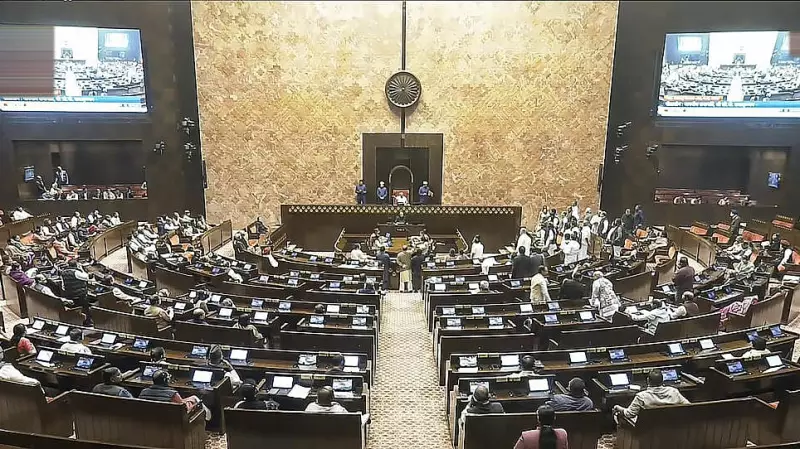
The Indian government has initiated a sweeping and intensive audit of more than 700 domestic manufacturers of cough syrups. This significant regulatory action was officially confirmed by the Minister of State for Health in a statement to the Rajya Sabha on December 2, 2025.
Government's Proactive Stance on Drug Safety
In a move underscoring heightened vigilance over drug safety, particularly concerning pediatric formulations, the government has placed a substantial segment of the pharmaceutical industry under the microscope. The audit aims to ensure stringent compliance with manufacturing standards and quality control protocols.
The Minister of State for Health provided crucial details, stating that a total of 19 drug samples were collected for comprehensive laboratory analysis. These samples were reportedly linked to formulations consumed by affected children and were gathered from two primary sources: the private practitioners treating the children and retail pharmacies located near the treatment areas.

Scope and Scale of the Regulatory Drive
The figure of over 700 companies subjected to audit highlights the vast scale of this regulatory exercise. It represents a major effort by central and state drug control authorities to systematically evaluate production practices across the country. The focus is squarely on cough syrup production lines, which have come under increased global and domestic scrutiny in recent times.
This audit is not merely a routine check but is described as "intense," suggesting deeper inspections of facilities, raw material sourcing, production records, and final product quality. The action follows a series of incidents that raised alarms about the safety of certain liquid medications.
Sample Collection and Investigation
The collection of the 19 specific samples points to a targeted investigative approach. By obtaining samples directly from the point of care (private practitioners) and the point of sale (nearby retail stores), authorities are seeking to create a reliable chain of evidence to determine the exact nature and quality of the medications administered.
The testing of these samples is now a critical component of the government's response. The results are expected to inform further regulatory actions, which could range from issuing show-cause notices and suspending manufacturing licenses to recommending legal proceedings if violations are confirmed.
This dual strategy—wide-scale auditing combined with specific sample testing—demonstrates the government's attempt to address both systemic industry-wide issues and pinpoint specific product failures. The announcement in Parliament reinforces the administration's commitment to transparency in its handling of public health matters.