

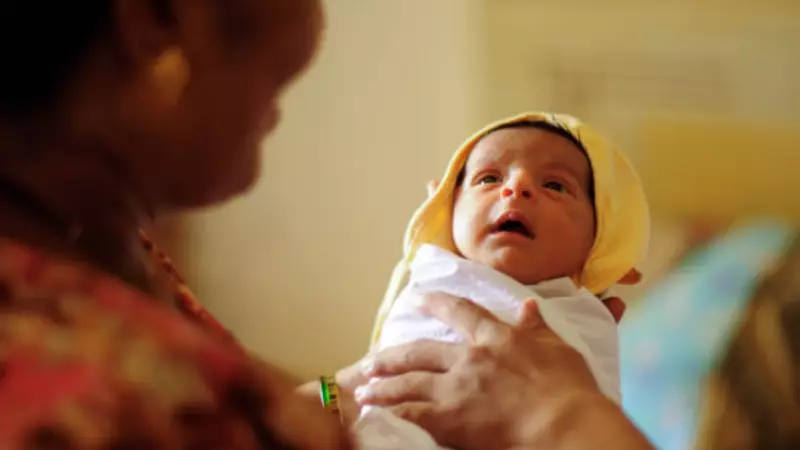
A senior doctor in Gurgaon has issued a stark warning, stating that the city's toxic air is creating a silent paediatric emergency, damaging the health of newborns even before they take their first breath. Dr. Sanjay Wazir, Medical Director of Neonatology at Motherhood Hospital in Gurgaon, highlights a disturbing trend where the Great Smog of North India is no longer just an environmental issue but a direct threat to the smallest and most vulnerable citizens.
The First Gasp of Poisoned Air
Dr. Sanjay Wazir, a neonatologist practicing in the National Capital Region (NCR), describes a heartbreaking reality in Gurgaon. Newborns are inhaling dangerously polluted air from their very first moments outside the womb. He emphasizes that the annual smog has evolved into a systemic crisis, with consequences that begin during pregnancy itself. The medical community is now observing that air pollution acts as a pervasive threat, impacting fetal development directly.
Why Newborns Are Uniquely Vulnerable
Infants are not simply small adults; their developing bodies are exceptionally susceptible to Gurgaon's poor air quality. Dr. Wazir explains that a newborn breathes at a much faster rate than an adult, which means they take in more pollutants relative to their tiny body weight. Furthermore, their lung alveoli—the critical structures for oxygen exchange—are still in a fragile state of growth. Exposure to pollutants like PM2.5 and nitrogen dioxide (NO2) during this crucial developmental phase can cause permanent damage to lung structure. This damage often leads to reduced lung capacity that persists for a lifetime, setting the stage for chronic respiratory problems.

From the Womb to the Intensive Care Unit
The assault of pollution starts long before delivery. Emerging research confirms that fine particulate matter can cross the placental barrier. When a pregnant woman breathes polluted air, it can trigger inflammation and oxidative stress in her body, which in turn can restrict the growth of the fetus. The evidence of this is tragically clear in Gurgaon's Neonatal Intensive Care Units (NICUs). Dr. Wazir reports a measurable increase in several critical conditions:
- Preterm births: Toxic air is a recognized trigger for early labor.
- Low birth weight: Even babies carried to full term are often undernourished due to impaired function of the placenta.
- Respiratory distress: Alarmingly, seemingly healthy newborns are requiring oxygen support or nebulization within days of birth, displaying symptoms similar to acute bronchiolitis and pneumonia.
Dr. Wazir states that the situation has escalated into a full-blown "paediatric emergency." While he advises parents to use protective measures like HEPA air purifiers and avoid outdoor exposure during peak pollution hours, he calls these steps mere "band-aids" on a deep, festering wound.
A Call for Systemic Change to Save a Generation
The neonatologist advocates for urgent, multi-sectoral action to address the root causes. Protecting the health of Gurgaon's children requires more than individual precautions. He calls for:
- Stricter enforcement of protocols to control construction dust.
- A decisive transition to clean energy sources.
- Better urban planning to mitigate pollution hotspots in the city.
Dr. Sanjay Wazir concludes with a powerful message: the fight is not just for clearer skies, but for the fundamental right of every child to develop healthy lungs. Failure to act now, he warns, is tantamount to sentencing an entire generation to a future dominated by chronic respiratory disease. The time for decisive action is running out.






