

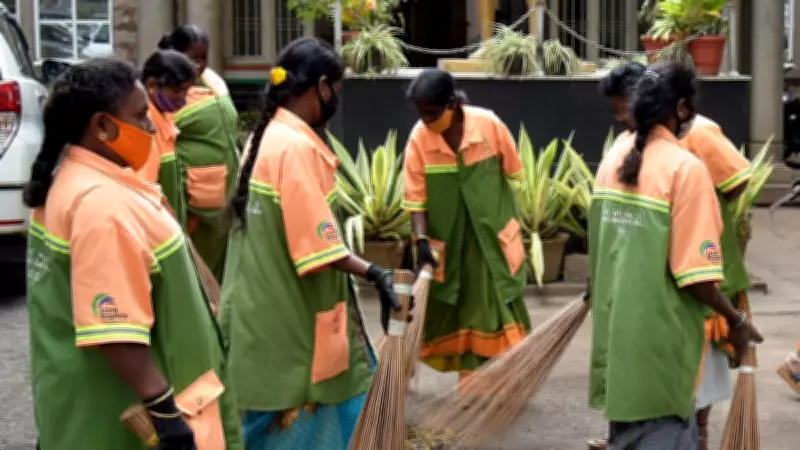
Health Screening Uncovers Illness in Nearly Half of Bengaluru's 699 Pourakarmikas
A recent health screening program conducted for pourakarmikas, or sanitation workers, in Bengaluru has revealed alarming findings, with medical conditions detected in nearly half of the 699 individuals examined. This initiative, aimed at assessing the occupational health risks faced by these essential workers, underscores the urgent need for improved healthcare support and workplace safety measures in the city's sanitation sector.
Details of the Screening Initiative
The health screening was organized as part of a broader effort to monitor and address the well-being of pourakarmikas, who perform critical waste management duties often under hazardous conditions. Of the 699 workers screened, approximately 50% were found to have various health issues, ranging from minor ailments to more serious chronic conditions. The screening included basic medical tests and consultations, designed to identify common occupational hazards such as exposure to toxins, physical strain, and infectious diseases.
Key Findings and Health Concerns
The results highlight significant health vulnerabilities among Bengaluru's pourakarmikas. Many workers exhibited symptoms related to respiratory problems, skin infections, and musculoskeletal disorders, which are frequently linked to their demanding and unsanitary work environments. Additionally, cases of hypertension, diabetes, and other lifestyle-related illnesses were noted, suggesting a need for comprehensive health interventions beyond immediate occupational risks.

This screening sheds light on the broader public health challenges in urban sanitation. Pourakarmikas play a vital role in maintaining city hygiene, yet their health often deteriorates due to inadequate protective gear, poor working conditions, and limited access to medical care. The findings call for:
- Enhanced occupational safety protocols, including regular health check-ups and provision of protective equipment.
- Increased awareness and training on health risks associated with sanitation work.
- Collaboration between government agencies, healthcare providers, and NGOs to implement sustainable health programs.
Local authorities and health organizations have expressed concern over the screening results, emphasizing the importance of prioritizing the welfare of pourakarmikas. Efforts are underway to expand such health initiatives to cover more workers across Bengaluru, with plans to integrate these screenings into routine occupational health frameworks. Stakeholders are also advocating for better insurance coverage and social security benefits to safeguard these workers' long-term health.
Future Steps and Recommendations
To address the identified health issues, experts recommend a multi-faceted approach. This includes regular follow-up screenings to monitor progress, targeted medical treatments for affected workers, and policy reforms to improve working conditions. By investing in the health of pourakarmikas, Bengaluru can not only enhance their quality of life but also ensure a more resilient and efficient sanitation system for the entire city.
In conclusion, the health screening of 699 pourakarmikas in Bengaluru serves as a critical wake-up call, revealing that nearly half suffer from illnesses linked to their occupation. It underscores the necessity for sustained efforts to protect these frontline workers, whose health is integral to urban cleanliness and public safety.






