

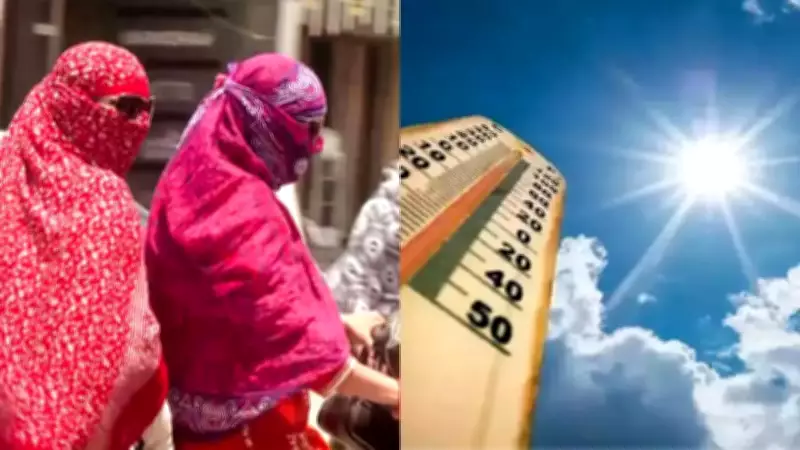
The Union health ministry has asked states to strengthen preparedness across healthcare systems ahead of peak summer, flagging risks from both heatwaves and fire incidents and calling for urgent action.
Heatwave Preparedness
In a communication, health secretary Punya Salila Srivastava directed states and Union Territories to ramp up measures to tackle above-normal heatwave conditions. The ministry warned that above-normal heatwave days are likely from April to June across East, Central and North-West India, along with parts of the south-east peninsula. Coastal areas of Odisha, West Bengal, Tamil Nadu, Puducherry and Andhra Pradesh, as well as isolated regions of Gujarat, Maharashtra and Karnataka, have also been flagged.
States have been asked to ensure operational heatstroke management units at all health facilities, strengthen ambulance readiness, issue early warnings and maintain real-time reporting of heatstroke cases on the IHIP portal. The ministry stressed that proactive planning and close monitoring will be key to preventing avoidable heat-related deaths.

Fire Safety in Hospitals
In parallel, the Centre has directed states to step up fire safety audits in healthcare facilities, with a nationwide Fire Safety Week from May 4 to 10 covering district hospitals, medical colleges and multi-speciality centres. Hospitals have been asked to conduct fire safety assessments using an updated checklist and submit reports through the IHIP portal, with any gaps to be rectified at the earliest. States have also been told to document activities and submit action-taken reports after the exercise.
The ministry noted that fire incidents pose a serious risk in hospitals, especially where critically ill patients depend on uninterrupted care, and called for stricter compliance with safety norms.
Implementation and Monitoring
The twin directives come as temperatures begin to rise across parts of the country, with the Centre pushing states to strengthen preparedness across public health systems during the summer months. The health ministry emphasized that proactive planning and close monitoring will be key to preventing avoidable heat-related deaths and ensuring fire safety compliance.






