

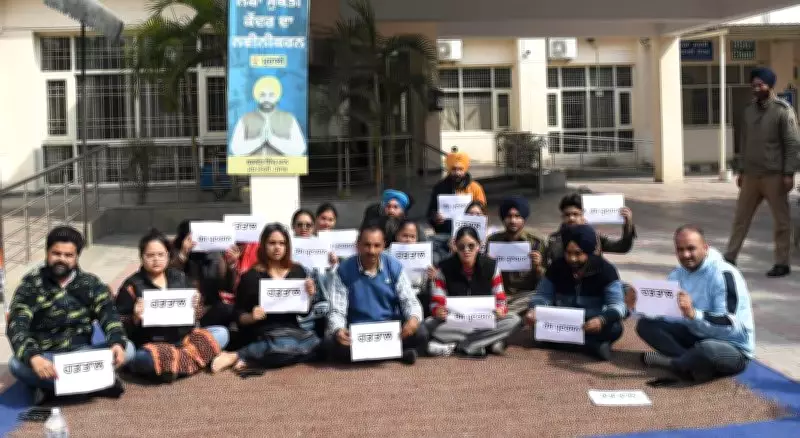
Health Department Staff Stage Sit-In Protest at Chandigarh De-addiction Centre
In a significant demonstration of discontent, fifteen employees from the health department organized a sit-in protest at a government-operated de-addiction centre located in Sector 66 of Chandigarh. The protest, which unfolded on a recent day, saw staff members gathering at the facility to voice their demands for improved working conditions and the urgent resolution of long-standing grievances that have plagued their professional environment.
Core Issues Behind the Protest
The protesting staff, who are integral to the operations of the de-addiction centre, highlighted several critical issues that prompted their collective action. Key among their concerns are inadequate staffing levels, which have led to excessive workloads and burnout among existing employees. Additionally, they pointed to delays in the disbursement of salaries and other financial benefits, creating financial instability for the workers and their families.
Other grievances include a lack of proper safety measures and medical equipment at the centre, which compromises both staff welfare and the quality of care provided to patients undergoing de-addiction treatment. The protesters emphasized that these unresolved matters have persisted for an extended period, despite repeated appeals to higher authorities, leaving them with no alternative but to resort to a sit-in protest to draw attention to their plight.

Impact on De-addiction Services
The sit-in protest has raised concerns about potential disruptions to the essential services offered by the de-addiction centre. As a government-run facility, it plays a crucial role in addressing substance abuse issues in the Chandigarh region, providing counseling, medical treatment, and rehabilitation support to individuals struggling with addiction.
While the protesting staff assured that patient care would not be compromised during the demonstration, the ongoing protest could strain resources and affect the centre's operational efficiency if the issues remain unaddressed. This situation underscores the broader challenges faced by healthcare workers in government institutions, where resource constraints and administrative bottlenecks often hinder effective service delivery.
Authorities' Response and Future Steps
In response to the protest, health department officials have acknowledged the staff's concerns and initiated discussions to find a resolution. Preliminary talks have focused on addressing the immediate grievances, such as expediting salary payments and reviewing staffing requirements to alleviate workload pressures.
However, the staff have called for more concrete actions, including the implementation of long-term solutions to ensure sustainable working conditions. They have urged the authorities to establish clear protocols for grievance redressal and to invest in upgrading the centre's infrastructure to meet safety and operational standards.
The protest highlights the need for systemic reforms in public health institutions to support frontline workers and enhance service quality. As negotiations continue, the outcome will be closely watched by other healthcare employees and stakeholders in Chandigarh's health sector.






