

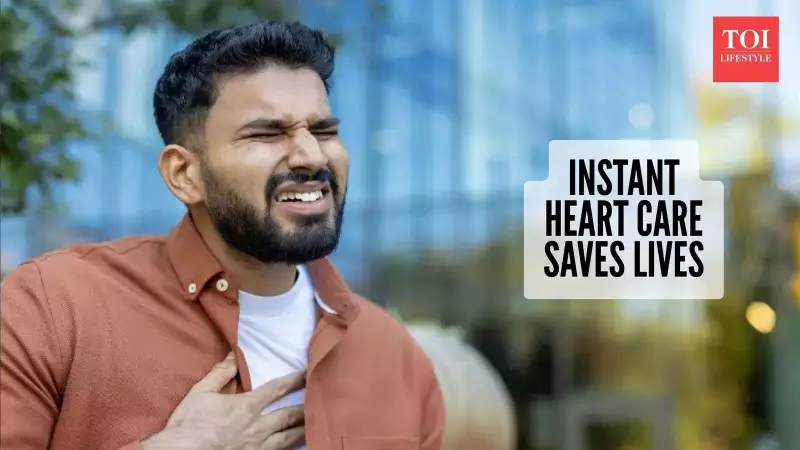
The sudden and tragic death of a young man in India's tech capital has cast a harsh light on the systemic and human failures that can turn a medical emergency into a fatality. For 34-year-old Venkataraman from Bengaluru, a heart attack struck without warning, beginning a desperate race against time where every second was crucial. His struggle for timely help ended in loss, exposing dangerous gaps in emergency medical response and the profound cost of public indifference.
The Fatal Chain of Events in a Cardiac Emergency
Heart attacks are often deceptive, presenting with symptoms like chest pain, shortness of breath, sweating, and nausea. However, their true danger lies in their speed. The critical first hour, known as the 'golden hour,' dramatically influences survival rates and long-term recovery. In Venkataraman's case, this window closed amidst a series of obstacles. Reports indicate he was first taken to a private hospital that could not attend to him immediately. He was then referred to another facility, but the lack of on-site emergency care and an available ambulance created fatal delays. This underscores a vital lesson: in a cardiac emergency, the nearest hospital is not sufficient; it must be one equipped and ready to act instantly.
When Bystanders Look Away: The Human Factor in Crisis
The response—or lack thereof—from the community can be as critical as the medical response. As Venkataraman collapsed on the road, his wife pleaded for assistance from passersby. The tragic indifference she faced highlights a societal gap in emergency preparedness and compassion. This incident powerfully argues for widespread basic CPR and first aid training. Knowing how to perform chest compressions, use an Automated External Defibrillator (AED), or simply how to effectively call for help can bridge the agonizing gap until professional medical teams arrive. A single act of aid, like flagging down a vehicle, can alter the course of an emergency.

Key Lessons from a Preventable Tragedy
While Venkataraman's loss is irreparable, his story imparts urgent lessons for the public and policymakers alike. Medical research consistently proves that rapid treatment, including immediate CPR and fast transport to a equipped cardiac care center, can prevent permanent heart damage and death.
The takeaways are clear:
- Know Your Emergency Infrastructure: Identify and remember the location of your nearest hospital fully equipped for cardiac emergencies, not just the closest one.
- Empower Yourself with Skills: Undergo basic CPR and first aid training. This knowledge is not just for professionals; it is a civic duty.
- Cultivate a Culture of Compassion: Active citizenship in a crisis, from calling an ambulance to offering comfort, is a social responsibility that saves lives.
This case from Bengaluru is a grim national reminder that in cardiac care, speed and readiness are not optional—they are the thin line between life and death. Systemic preparedness must be matched by an alert and compassionate community to prevent such heartbreaking outcomes in the future.
Disclaimer: This article is for educational purposes only and is not a substitute for professional medical advice. If you suspect a heart attack, seek immediate medical attention by calling emergency services.






