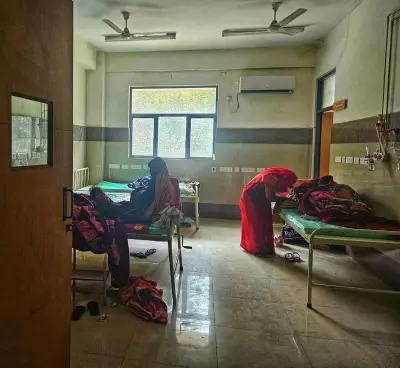
Medical experts in Lucknow have issued a stark warning, linking the rising use of chemical fertilisers in agriculture and the presence of contaminants like arsenic in water to a surge in serious health conditions across the population. The alarming observations were made by doctors from the Ram Manohar Lohia Institute of Medical Sciences (RMLIMS) during a conference held on Wednesday.
The Hidden Threat in Our Food and Water
Dr. Manish Raj Kulshreshtha, from the biochemistry department and the organising secretary of the Association for Medical Update conference, detailed the connection. He explained that the widespread application of chemical fertilisers and the use of contaminated water for irrigation are leading to a dangerous accumulation of heavy metals in the human body. These toxic substances enter our system primarily through the food we eat and the water we drink.
Dr. Kulshreshtha revealed that blood tests conducted at RMLIMS have detected these harmful heavy metals in a significant number of patients. The institute is employing advanced technology called ICP-MS (Inductively Coupled Plasma Mass Spectrometry) to accurately identify the presence of these metals.

Wide-Ranging Health Impacts Across All Ages
The health consequences of this exposure are severe and varied. Doctors associated the buildup of heavy metals with conditions affecting critical organs and systems.
In children, this contamination can lead to learning difficulties and behavioural problems, impacting their development and future. In adults, the spectrum of illness is broad, including anaemia, high blood pressure, diabetes, reproductive health issues, and damage to the kidneys, heart, and nervous system. In the most severe cases, such poisoning can even result in coma.
Lead Poisoning: A Pervasive Public Health Challenge
Adding to the concern, RMLIMS Director Dr. CM Singh highlighted lead poisoning as a specific and major public health challenge, prevalent in both rural and urban areas of India. He identified multiple sources contributing to this problem.
Key sources include industrial pollution, informal and unsafe battery recycling processes, contaminated water sources, and the continued use of lead-based paints and household products. To combat this, Dr. Singh stated that the institute is actively collaborating with global bodies like the World Health Organization (WHO) and UNESCO. This partnership aims to strengthen screening programs, improve laboratory assessment capabilities, and advance research focused on lead poisoning.
The conference concluded with a clear message: addressing the environmental sources of these toxins is crucial for safeguarding public health and preventing a further rise in related diseases.