

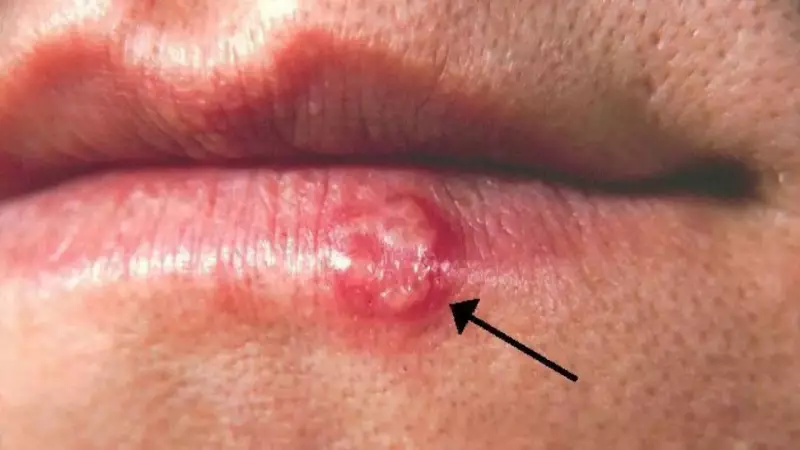
Herpes Simplex Virus (HSV) represents a significant global health concern, affecting millions of individuals across all age groups. This highly contagious infection often operates stealthily, with many carriers showing no visible signs, yet remaining capable of transmitting the virus to others. Understanding its nature, modes of transmission, and management is crucial for public health.
What Exactly is the Herpes Simplex Virus?
The Herpes Simplex Virus belongs to a larger family of herpesviruses and primarily manifests in two distinct forms. HSV-1 is traditionally associated with oral herpes, leading to the familiar cold sores or fever blisters around the lips and mouth. On the other hand, HSV-2 is commonly linked to genital herpes, causing blisters and sores in the genital and anal regions. However, it is important to note that both types can infect either area, particularly through oral-genital contact.
A defining and challenging characteristic of HSV is its permanence. Once the virus enters the body, it travels to nerve cells near the spinal cord and establishes a lifelong, dormant presence. It can reactivate periodically, traveling back to the skin surface to cause new outbreaks. These reactivations are frequently triggered by specific factors such as emotional or physical stress, other illnesses that weaken the immune system, hormonal fluctuations like those during menstruation, fatigue, or even excessive exposure to sunlight.

Recognising the Symptoms and Understanding Spread
Symptoms of an HSV outbreak vary based on the infection site. For oral herpes, individuals often experience a tingling, itching, or burning sensation around the lips before fluid-filled blisters appear. These blisters eventually crust over and heal within a few weeks. Genital herpes outbreaks involve similar painful blisters or sores in the genital area, sometimes accompanied by flu-like symptoms such as fever and swollen lymph nodes.
The virus can also affect other body parts. Infection of the fingers, known as herpetic whitlow, causes painful blisters. Ocular herpes affects the eyes, leading to pain, sensitivity to light, and potential vision complications if untreated. Critically, viral shedding and transmission can occur even when no sores are visible, a factor that greatly contributes to its widespread nature.
Transmission happens exclusively through direct contact. This includes:
- Kissing or skin-to-skin contact with an infected area.
- Vaginal, anal, or oral sexual activity.
- Contact with infected bodily fluids.
Effective Management and Living with HSV
While there is currently no cure that can eradicate the virus from the body, several highly effective strategies exist to manage HSV, reduce discomfort, and minimise the risk of passing it to others. A combination of medical treatment and mindful lifestyle practices forms the cornerstone of management.
On the medical front, antiviral medications prescribed by a healthcare provider can significantly reduce the severity and duration of outbreaks. When taken daily as suppressive therapy, these drugs can also lower the frequency of recurrences and dramatically decrease the risk of transmitting the virus to a partner.
Lifestyle and preventive measures are equally vital. Key practices include:
- Avoiding all direct skin-to-skin contact during active outbreaks.
- Consistently using condoms or dental dams during sexual activity, even between outbreaks.
- Maintaining a robust immune system through a balanced diet, regular exercise, and sufficient sleep.
- Developing healthy stress-management techniques like meditation or yoga.
- Keeping affected areas clean and dry to prevent secondary bacterial infections.
Open communication with sexual partners about one's status is a critical component of responsible management. Public awareness and education are powerful tools in combating the stigma associated with HSV and promoting safer practices. It is essential to remember that this information serves educational purposes, and consulting a qualified healthcare professional is imperative for proper diagnosis, personalised treatment plans, and medical guidance.






