

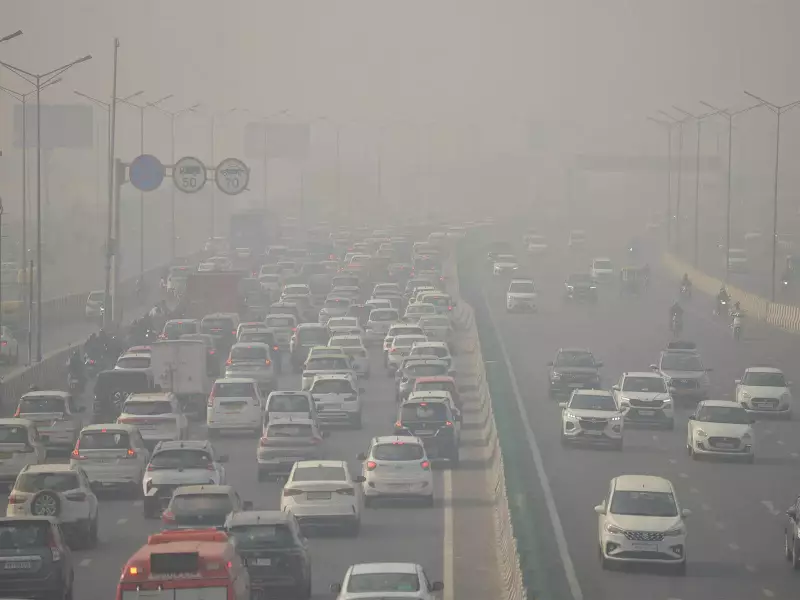
Across the globe, a silent crisis is unfolding as air pollution continues to make children sick with debilitating respiratory diseases. The unique vulnerability of young lungs and immune systems, which are still in critical development phases, places them at a disproportionately high risk. This heightened susceptibility is compounded by the fact that children breathe at faster rates and typically spend more time engaged in outdoor activities, leading to greater inhalation of toxic air.
The Invisible Threat: How Pollutants Attack Young Lungs
Dangerous air pollutants like PM2.5 and PM10, nitrogen dioxide, and ozone are fine enough to penetrate deep into the delicate tissues of the lungs when inhaled. These particles have both immediate and long-term health consequences. In the short term, exposure can trigger respiratory tract irritation, acute bronchitis, severe aggravation of asthma, and pneumonia. Children are exceptionally vulnerable to these effects, often experiencing symptoms like persistent coughing, wheezing, and acute breathing difficulties, which frequently result in emergency room visits.
The long-term damage is even more concerning. For children with asthma, pollution not only provokes more frequent and severe attacks but can also stunt lung growth over their lifetime. Studies show that children exposed to high pollution levels develop lungs with significantly less capacity compared to those breathing cleaner air. Those growing up in more polluted areas face a starkly increased risk of developing chronic respiratory conditions that can last a lifetime.

Beyond Physical Illness: The Ripple Effects on Development and Family
The impact of chronic respiratory diseases extends far beyond physical sickness. Frequent illness leads to repeated absences from school, disrupting education and social development. This, coupled with a declining quality of life and restricted outdoor play, can result in significant developmental impairments. Delays in acquiring crucial social and sports skills are common consequences. Furthermore, managing a child's chronic illness places immense emotional and financial strain on families, creating a burden that affects the entire household.
Epidemiological research from both high and lower-income nations consistently estimates that air pollution accounts for a substantial fraction of childhood respiratory illness and mortality. This alarming data underscores an urgent, multi-level need for action—from individual households to national policy forums.
A Call for Clean Air: Collective Action and Protective Measures
This public health emergency necessitates that communities begin treating air pollution as a critical risk factor for child health. There is a pressing need to advocate for and support strong clean-air and public health policies aimed at reducing emissions from major sources like vehicles, ships, power plants, and residential burning. Proactive pollution prevention and reduction are the most effective strategies to lower the risk of respiratory diseases in children. Investing in cleaner air is an investment in future generations, allowing them to breathe freely, grow stronger, and lead healthier, more active lives.
On a personal level, parents and caregivers can take immediate steps to minimize their children's exposure. Key actions include:
- Limiting outdoor activities when air quality indexes are poor.
- Using air purifiers and ensuring proper indoor ventilation.
- Reducing sources of indoor air pollution (e.g., from cooking or smoking).
- Encouraging the use of protective masks like N95s during high-pollution days.
Medical professionals also emphasize the role of pulmonary function tests in diagnosing conditions like asthma and bronchitis early.

In conclusion, healthcare practitioners who witness the devastating effects of these pollution-driven illnesses firsthand are certain that a significant number of these cases could be prevented. The path forward requires a concerted effort to improve ambient air quality, reduce emission levels, and raise public awareness. Equally important is deciding on and implementing protective measures in homes and schools. Providing children with clean air is a fundamental pledge for ensuring healthy lung development, normal physical growth, and a future where they can play, thrive, and live free from the burden of respiratory disease.
Dr. Revathy Kodakkal, a Consultant Pulmonologist at Holy Family Hospital in Bandra West, provides expert insight into this critical issue.





