

The cherished hours of afternoon play, once filled with the sounds of footballs being kicked and friends laughing in parks, are being silently stolen across Delhi-NCR. In their place, the hum of air purifiers and the glow of smartphone screens have become the new normal, not by choice, but as a grim necessity forced by hazardous air pollution. This public health crisis is reshaping daily life, dictating routines, and inflicting long-term damage on residents' health, as seen in the lives of two individuals from opposite ends of the age spectrum.
A Childhood Confined: Jai's Story from Noida
For 15-year-old Jai Sharma, who moved to Noida from the United States in 2015, the park near his ninth-floor apartment is often just a blurred outline seen through a thick blanket of smog. The energetic child who spent his evenings skating, playing football, and running outdoors is now largely confined to his home. Schools have prohibited outdoor activities, and his parents, like many others, insist he stays inside with air purifiers running, fearing for his lungs.
"We never imagined that something as basic as air would one day stop him from stepping outside," says his mother, Sruti Sharma. The family's hope that a higher-floor apartment would offer respite from street-level dust proved futile. As pollution levels worsened each year, so did Jai's health. He developed a persistent cough and asthma, conditions that intensify every winter.

From a perfectly fit boy a decade ago, Jai is now dependent on medication. By the age of 13, his condition required nebulisers, inhalers, and steroid medication. At his worst, he needed nebulisation six or seven times a day. "It is frightening to see a child struggle for breath," Sruti adds. The pollution has also disrupted his education, with frequent absences due to breathing distress and medical appointments making it hard to keep up in school.
"I see other kids going down to play, but I know I can't risk it, especially in winter," Jai says. His response has been to channel his frustration into environmental activism. "People see pollution as just numbers on an app. But for me, it took away my childhood," he states poignantly.
An Adult's Agony: Priyanka's Struggle in Gurgaon
While Jai must stay indoors to manage his health, 52-year-old schoolteacher Priyanka Jha faces the opposite dilemma. Living in Gurgaon's Sector 72, she was diagnosed with arthritis in December last year. Her doctor's prescribed therapy was simple: daily walks for at least 30 minutes to slow joint stiffness. However, the toxic air has made following this medical advice nearly impossible.
Priyanka wakes up at 4:30 AM, not to avoid traffic, but in an attempt to find a window for her walk before the smog settles heavily. "On most days, I simply can't go out," she admits. "Pollution makes it impossible because I start coughing almost immediately." Doctors note that pollution can also trigger arthritis flare-ups, compounding her problem.
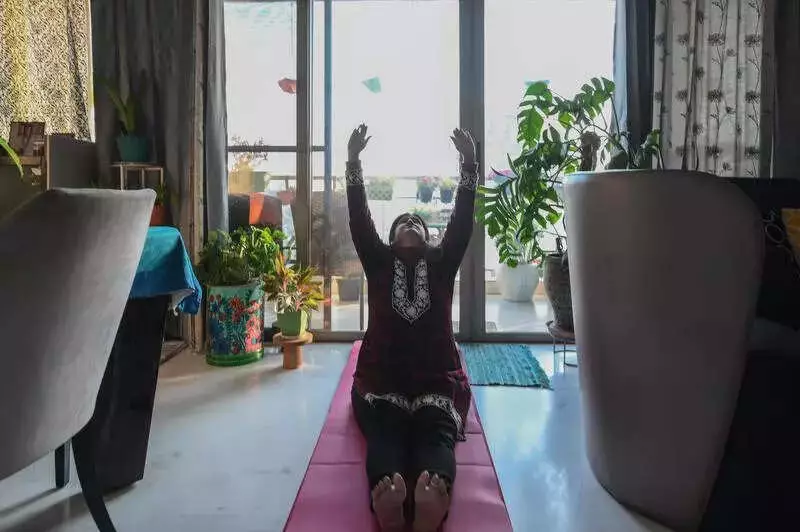
This winter, her allergic cough has worsened, affecting her voice and her ability to teach for hours. Unable to walk outdoors, she has adapted her routine to include light strength training, yoga, and stretching inside her home. Her main physical activity now consists of walking between classrooms at school. Pain management is a constant through hot water bags, massages, and careful movements.
The toll, however, extends beyond the physical. "When your body is constantly in pain, everything feels heavier. It affects your mood, your patience, how you speak to people," Priyanka explains. She and her husband have considered leaving Gurgaon during peak pollution months, perhaps for Pune, but her full-time teaching job makes that unfeasible. "I want to walk. But on some days, the air decides for me whether I can," she says.
The Unseen Cost of a Polluted Airshed
The stories of Jai and Priyanka, though unique, are emblematic of a widespread crisis in the Delhi-NCR region. The toxic air is no longer just an environmental statistic; it is an active agent dictating life choices, eroding quality of life, and undermining both physical and mental well-being across generations.

For the young, it means the loss of unstructured play, social interaction, and the simple joy of sports, replaced by screen time and respiratory illness. For adults, it means the inability to follow basic health advice, the constant management of exacerbated conditions, and the psychological burden of living in a body under siege. The solution for many, like Jai's air purifiers or Priyanka's indoor yoga, are mere compensations that underscore a profound loss of freedom—the freedom to breathe and move safely in one's own city.





