In the dense forests of the BR Hills in Kollegal, a timely phone call made the difference between life and death for Chandru, a young man from the Jenu Kuruba community. After a severe accident in late July caused internal bleeding, his friends faced a daunting 43-kilometer journey to the nearest district hospital, the Chamarajanagar Institute of Medical Sciences. Overwhelmed and unsure, they contacted a Tribal Health Navigator (THN). This decision changed everything.
A Lifeline for Remote Communities
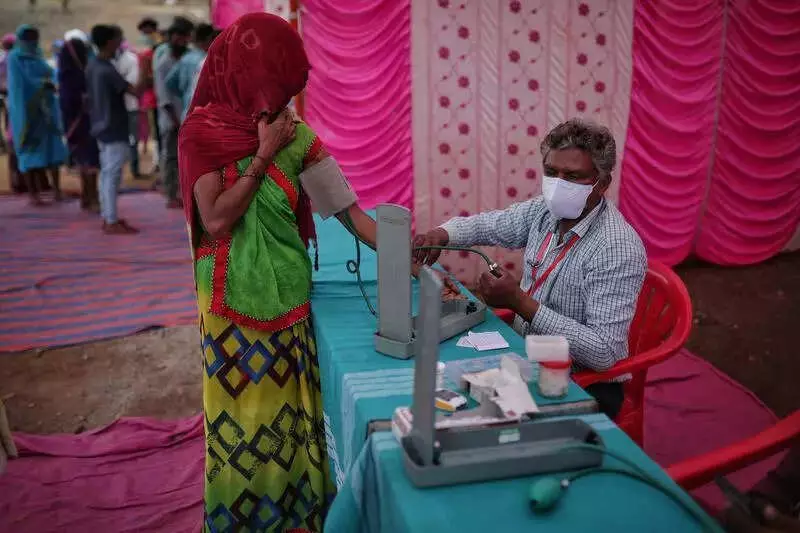
The navigator immediately coordinated with hospital staff and helped Chandru's friends navigate the complex documentation process. This crucial intervention ensured Chandru was admitted without any delays, securing the urgent medical care he needed. His story is not isolated. Chandru is one of approximately 1,700 tribal residents in Chamarajanagar district—one of Karnataka's most backward regions—who have accessed government taluk and district hospital services with the support of THNs.
These navigators are trained community nurses who act as essential guides, bridging the gap between remote tribal populations and the public healthcare system. According to Baby Sweety, the district tribal health coordinator and a member of the Soliga tribe, this three-year pilot program by the tribal welfare department has significantly restored faith in secondary and tertiary public hospitals.

Measurable Success and Improved Outcomes
The Institute of Public Health (IPH), which proposed the initiative in 2022 and serves as its technical partner, reports tangible benefits. The program has not only reduced mortality rates by ensuring patients receive prompt care but has also led to better childbirth outcomes. With support from ASHA workers and taluk-level navigators, women now approach hospitals with greater confidence. District-level navigators provide additional support during complicated cases.
"The initiative has not only reduced mortality by ensuring patients receive care quickly but also improved childbirth outcomes," affirmed the IPH. The model demonstrates how community-based, culturally sensitive intermediaries can dramatically improve healthcare delivery in hard-to-reach areas.
Financial Hurdles Block Statewide Expansion
Despite its proven success in Chamarajanagar, replicating this model in other districts has proven difficult. The original 2023 plan aimed to expand the program to all five districts housing 12 tribal groups, including Mysuru, Kodagu, Dakshina Kannada, and Udupi. However, only Chamarajanagar has managed to operationalize it effectively.
Praveen Rao, a communication consultant at IPH, identified financial constraints as the primary obstacle. "Navigators earn Rs 12,000 at the taluk level and Rs 15,000 at the district level—wages that don't match today's cost of living," Rao explained. This compensation challenge has stalled recruitment and implementation elsewhere.
In response, the government is proposing interventions to strengthen the program. Yogesh T, director of the department of tribal welfare, stated that plans include a dashboard for daily monitoring to assess effectiveness. A government order from September 16 standardizes the navigators' monthly pay at Rs 15,000, with priority given to women candidates. A seven-member selection committee, headed by the deputy commissioner, will oversee appointments.
To fund the extension of the program to Kodagu, Dakshina Kannada, and Udupi, the government has allocated Rs 1 crore in the 2025–26 budget. This financial commitment indicates a recognition of the program's value, even as it grapples with the practical challenges of scaling a successful pilot into a sustainable statewide policy.