

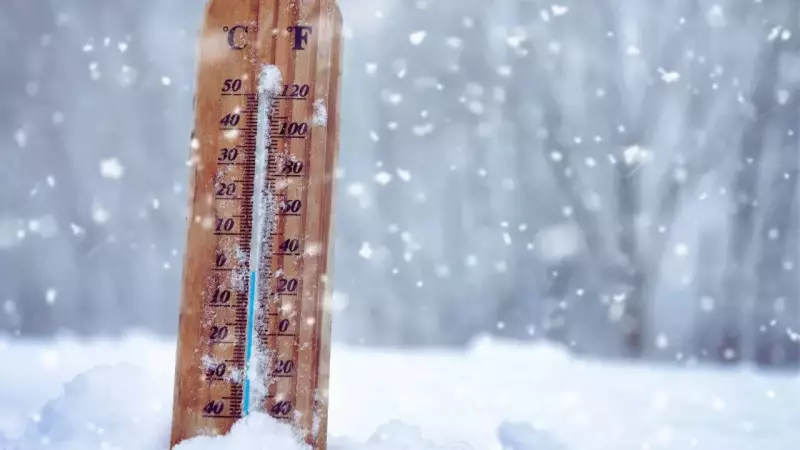
The India Meteorological Department (IMD) has issued a stark warning for challenging winter conditions set to sweep across large parts of the country in the final days of the year. In its All India Weather Summary and Forecast Bulletin released on the morning of December 29, the IMD detailed a confluence of weather systems—from dense fog and cold waves to snowfall and thunderstorms—that threaten to disrupt travel, impact public health, and affect daily life as India heads into the New Year.
Western Himalayas Brace for Snowfall and Rain
The picturesque western Himalayas are set to receive a fresh blanket of snow. The IMD has forecast scattered to fairly widespread light to moderate rainfall and snowfall across the region from December 30 to January 2. Isolated spells are also expected over Himachal Pradesh and Uttarakhand during this period.
While this may delight tourists, the fresh snowfall in the higher reaches poses a significant risk to road connectivity. Key mountain passes and popular tourist destinations could face disruptions, prompting travellers to plan their journeys with extra caution.

Dense Fog to Disrupt Travel in North and East India
One of the most immediate and widespread concerns is the persistence of dense to very dense fog over the Indo-Gangetic plains. The IMD bulletin notes that visibility has already plummeted to as low as 50 metres in major cities including New Delhi, Chandigarh, Amritsar, Patiala, and Jammu.
The foggy conditions are predicted to tighten their grip during night and early morning hours. Dense to very dense fog is very likely over Himachal Pradesh until December 31, and over Punjab, Haryana, Chandigarh, and western Uttar Pradesh until the same date. Eastern Uttar Pradesh may remain affected until January 1.
Isolated pockets of dense fog are also forecast for Bihar, Odisha, Assam, Meghalaya, Sub-Himalayan West Bengal, and several northeastern states. This widespread fog is expected to severely impact road, rail, and air travel, leading to potential delays and cancellations during the peak New Year's Eve travel period.
Intensifying Cold Wave and Chilly Days
Adding to the winter woes are intensifying cold day and cold wave conditions. The IMD has indicated that cold day conditions are expected in isolated pockets of Punjab, Haryana, and Madhya Pradesh on December 30. Parts of Uttar Pradesh and Uttarakhand experienced similar conditions on December 29.
Data from December 28 reveals that minimum temperatures were markedly below normal in several regions, including Assam, Meghalaya, Gujarat, Rayalaseema, Madhya Pradesh, Odisha, Jharkhand, Bihar, and parts of south India. Hisar in Haryana recorded the lowest minimum temperature over the plains at a bone-chilling 2.5 degrees Celsius.
While a slight rise of 2–4 degrees Celsius is likely in the next few days, the IMD expects the cold conditions to persist across much of the country through the first week of January.
Unsettled Weather for Andaman and Nicobar Islands
Far from the northern chill, the Andaman and Nicobar Islands are bracing for a different kind of weather disturbance. The IMD forecasts isolated thunderstorms accompanied by lightning and gusty winds (30–40 kmph) from December 29 through January 1.
Most places over the island chain have already recorded rainfall in the past 24 hours. These conditions are likely to disrupt marine activities, ferry services, and local travel, with authorities advising fishermen and residents to exercise caution.
Precautionary Measures and Travel Advisory
In light of these forecasts, the IMD has urged residents and travellers to take necessary precautions. Key advisories include:

- Motorists should use fog lights, drive at reduced speeds, and maintain a safe distance during foggy conditions.
- Travellers are encouraged to stay updated with the latest schedules from airlines, railways, and state transport authorities.
- Those heading to hill stations or the islands should check road and ferry conditions before departing.
As millions prepare for New Year celebrations and travel, staying informed and prioritizing safety is paramount. The evolving weather situation demands vigilance and adherence to official advisories to ensure a safe transition into 2024.





